
Japanese streetwear is arguably the most influential fashion movement of the modern era. From the backstreets of Harajuku and Ura-Harajuku to the runways of Paris, Japan’s designers took American hip-hop and skate culture and filtered it through an obsessive eye for quality, graphic design, and craft. The result is a scene where graphic tees sell out in seconds and secondhand shops in Shibuya feel like museums. Understanding these ten brands is understanding how streetwear became a global language.
What separates Japanese streetwear from its Western counterpart is depth. Where Western streetwear often chases the next drop, Japanese labels build entire universes — signature camouflage prints, skull motifs, and distressed details that fans recognize instantly. Whether you’re a seasoned collector hunting grails or just starting to explore the scene, these ten labels represent the pillars of Japanese streetwear. Each one carved out a lane that countless others now follow.
1. A Bathing Ape (BAPE)
A Bathing Ape is the brand that made Japanese streetwear a global phenomenon. Known for its bold 1st Camo pattern, shark-face hoodies with full-zip faces, and the cartoonish Baby Milo character, BAPE turned loud, playful graphics into a luxury language. Its collections mix military-inspired camo with pop-art energy, and its collaborations with everyone from Marvel to luxury houses made cross-brand drops the industry standard.
BAPE is best known for the shark hoodie — a full-zip hoodie where the hood itself becomes a shark face — and its endless camo variations in green, blue, pink, and purple. Look for the BAPE STA sneakers, camo varsity jackets, and graphic tees with the iconic ape head. The vibe is maximalist hype: fun, bold, and unapologetically attention-grabbing. BAPE’s influence is visible in nearly every streetwear drop cycle that followed it.

2. Neighborhood
Neighborhood is Japan’s answer to biker and Americana culture, translated into streetwear. The brand’s aesthetic is dark and rugged — skull-and-crossbones graphics, motorcycle iconography, washed-black denim, leather jackets, and workwear-inspired cargo pieces. Its signature Savage logo and hand-drawn, tattoo-style graphics give everything a gritty, outlaw energy that feels worlds away from BAPE’s pop brightness.
Neighborhood is best known for its skull graphics, leather biker jackets, and military-surplus-inspired outerwear. Key pieces to look for include the Savage-denim jackets, cargo pants with heavy hardware, and graphic tees featuring the brand’s iconic motifs. The vibe is rebellious and masculine — think biker gangs and garage culture rather than skate parks. Its influence runs deep in the darker, workwear-leaning side of streetwear.
3. WTAPS
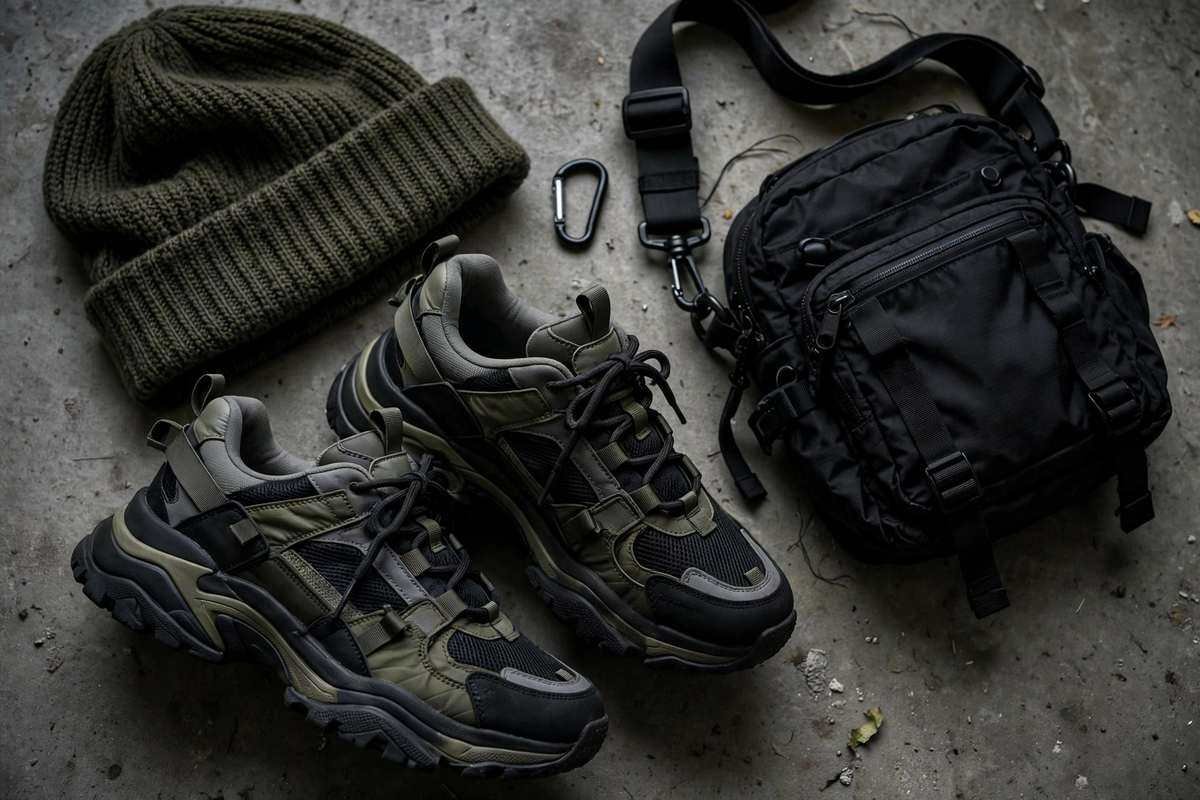
WTAPS built its reputation on military precision. The brand’s name, pronounced “double taps,” reflects its disciplined approach: camouflage patterns, field jackets, cargo pants, and utility vests rendered with obsessive attention to fit and fabric. Where other labels lean playful or punk, WTAPS is serious — dark olive, black, and desert tones dominate, with graphics that feel like coded military insignia rather than decoration.
WTAPS is best known for its M-65-style field jackets, jungle-hat accessories, and camouflage capsule collections. Look for the brand’s signature cross-and-bones motif, utility vests, and perfectly cut cargo pants. The vibe is tactical and understated — streetwear for people who take dressing like a mission seriously. Its collaboration with Vans became one of the most collected sneaker partnerships in streetwear history.
4. Undercover
Undercover sits at the intersection of punk, streetwear, and high fashion. The brand mixes anarchic graphics — distorted faces, horror-movie references, and subversive slogans — with genuinely avant-garde construction: asymmetric cuts, deconstructed tailoring, and unexpected fabric combinations. Undercover collections often feel like wearable art installations, moving between runway fashion and street-level rebellion within a single look.
Undercover is best known for its graphic tees and hoodies featuring surreal, horror-tinged artwork, plus its deconstructed outerwear. Key pieces to look for include the brand’s collaborative sneakers, printed bombers, and anything from its runway collections that blend punk attitude with couture-level craft. The vibe is darkly intellectual — punk for people who read fashion as literature. Its influence bridges underground culture and the Paris runway.

5. Visvim
Visvim is Japanese streetwear’s craftsman. The brand blends Native American, workwear, and traditional Japanese influences into pieces that feel handmade — hand-dyed indigo fabrics, vegetable-tanned leather, moccasin-inspired footwear, and artisanal stitching throughout. Nothing about Visvim screams for attention; its luxury is quiet, communicated through texture, natural materials, and construction that ages beautifully over years of wear.
Visvim is best known for its FBT moccasin-style shoes, Christo sandals, and indigo-dyed outerwear. Look for hand-stitched details, natural dyes, and footwear that fuses moccasin construction with sneaker comfort. The vibe is artisanal and zen — the opposite of hype-driven streetwear. Its influence is felt across the entire heritage and craft menswear movement, proving that streetwear can be slow, deliberate, and built to last decades.
6. Fragment Design
Fragment Design is less a traditional brand and more a design lightning bolt. Operating largely through collaborations, Fragment applies its lightning-bolt logo and minimalist, graphic sensibility to sneakers, apparel, and accessories from the world’s biggest labels. The aesthetic is clean and stripped-back — monochrome palettes, precise typography, and small, deliberate graphic hits rather than all-over prints.
Fragment is best known for its sneaker collaborations, particularly with Nike and Jordan, where a tiny lightning-bolt logo can multiply a shoe’s value overnight. Look for Fragment’s co-branded hoodies, caps, and tees — always minimal, always instantly recognizable to those in the know. The vibe is insider cool: quiet flex for collectors who understand that the smallest detail carries the biggest weight. Its influence made the collaboration the currency of modern streetwear.
7. Mastermind Japan
Mastermind Japan took one symbol — the skull and crossbones — and built a luxury streetwear empire around it. The brand’s formula is deceptively simple: premium basics in black and white, each marked with its intricately detailed skull graphic. Hoodies, tees, leather jackets, and caps all carry the motif, and the restrained palette lets the craftsmanship and graphic quality speak for themselves.
Mastermind is best known for its skull-logo hoodies and tees, and for limited collaborations that sell out instantly. Key pieces to look for include the signature zip hoodies, skull-printed denim, and collaborative capsules with luxury houses. The vibe is dark luxury — streetwear stripped of color but loaded with attitude. Its influence proved that a single strong graphic identity could sustain a brand at the highest price points.
8. Kapital
Kapital is Japanese streetwear’s free spirit. The brand takes American workwear and military garments and reimagines them through Japanese craft traditions — boro patchwork, sashiko stitching, indigo dyeing, and playful, almost folk-art graphics. The result is clothing that looks vintage and handmade even when new: patched denim, bandana-print scarves, and jackets that feel like one-of-a-kind artifacts.
Kapital is best known for its boro-inspired patched denim, bandana-pattern everything, and the ring coat — a voluminous, patchwork overcoat. Look for sashiko-stitched pieces, smiling-face graphics, and denim treated like canvas art. The vibe is joyful and artisanal — hippie-meets-heritage with a mischievous streak. Its influence runs through the entire “craft streetwear” wave, where visible mending and patchwork became fashion statements.
9. Comme des Garçons
Comme des Garçons brought avant-garde thinking into the streetwear conversation. While the mainline collections are high fashion, the brand’s diffusion lines — especially the heart-logo Play line — became streetwear staples worldwide. The aesthetic is conceptual and rule-breaking: deconstructed silhouettes, unexpected proportions, and graphics that feel more like art commentary than branding.
Comme des Garçons is best known in streetwear circles for the Play heart-logo tees and hoodies, and for the Converse Chuck Taylor collaboration that put the heart eyes on one of the world’s most-worn sneakers. Look for the heart logo on basics, the brand’s wallet line, and co-branded sneakers. The vibe is art-school cool — intellectual fashion that still works with jeans. Its influence proved streetwear and high fashion were never really separate.
10. Yohji Yamamoto
Yohji Yamamoto brought a dark, poetic minimalism that reshaped how streetwear thinks about silhouette. Oversized, draped, and almost entirely black, his designs reject body-conscious fit in favor of movement and shadow. His sportswear collaboration line translated that philosophy into sneakers and athletic-inspired pieces, proving that avant-garde ideas could live comfortably in everyday street uniforms.
Yamamoto’s streetwear influence is best known through his sneaker and sportswear collaborations, featuring chunky soles, technical fabrics, and that signature all-black palette. Look for oversized hoodies, draped trousers, and sneakers with exaggerated proportions. The vibe is dark romanticism — streetwear as poetry rather than hype. His influence runs through every oversized, monochrome fit on the street today.
Final Thoughts
These ten brands didn’t just participate in streetwear — they defined what it could be. From BAPE’s camo-covered maximalism to Visvim’s quiet craftsmanship, Japanese streetwear proved that the genre could hold multitudes: loud and quiet, punk and artisanal, underground and runway. Each label built a world with its own rules, and together they turned a subculture into a global industry worth billions.
If you’re building a wardrobe inspired by this scene, start with what resonates — the graphic punch of BAPE, the dark precision of WTAPS, the craft of Kapital — and let your collection grow from there. Japanese streetwear rewards obsession, so pick your lane, learn the signatures, and wear it with conviction. The best-dressed people in this world aren’t following trends; they’re fluent in the language these ten brands created.

Leave a Reply