
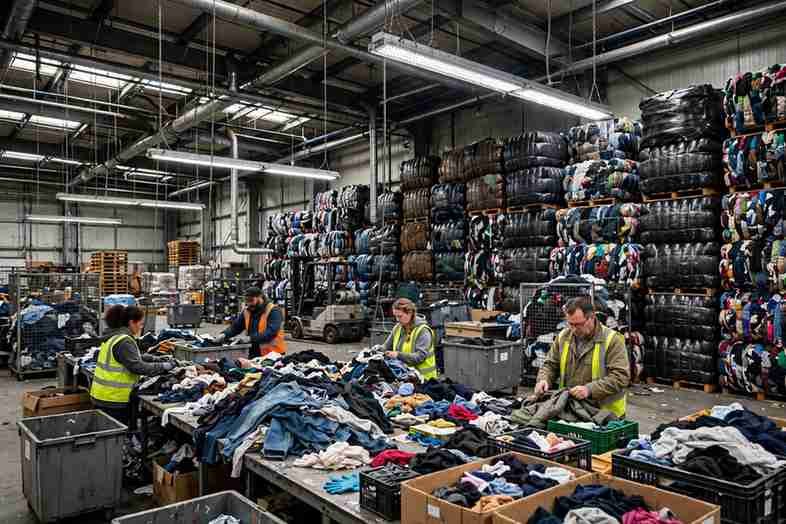
Every vintage tee you’ve ever loved passed through a rag house, whether you knew it or not. These unglamorous warehouses are the hidden engine of the secondhand clothing industry, the place where your donated clothes are sorted, graded, and dispatched to their next lives. Without rag houses, there would be no vintage stores, no thrift hauls, and no deadstock sneaker culture as we know it.
Yet almost nobody outside the trade knows what a rag house actually does. The name sounds vaguely Dickensian, and the reality is part industrial operation, part treasure hunt. Here’s the full story of where your old clothes really go, and why it matters more than ever.
The Short Answer: A Textile Sorting Powerhouse
A rag house is a facility that buys, sorts, and grades used clothing and textiles, historically called “rags” in the trade, then sells the sorted goods onward. The name dates back centuries to when discarded fabric was literally pulped into rags and paper, but the modern rag house is a sophisticated logistics operation handling thousands of pounds of clothing daily.
Think of it as the wholesaler behind the entire secondhand economy. Thrift stores, vintage dealers, exporters, and even fast-fashion recycling programs all depend on rag houses to process the staggering volume of used clothing generated every year. When you drop a bag at a donation bin, a rag house is almost certainly its next stop.
How Clothing Gets There
The supply chain starts with collection. Charities, thrift store chains, and textile recyclers gather donations and unsold inventory, then sell the overflow by the pound to rag houses. A single large charity can move tons of clothing weekly, far more than its retail stores can sell.
Rag houses also buy directly from commercial sources: unsold retail overstock, hotel linens, uniforms, and factory deadstock. Some even purchase clothing by the container-load from overseas. The intake is relentless, which is why the sorting operation has to be ruthlessly efficient. Nothing sits still for long in a working rag house.
The Sorting Process: From Chaos to Categories
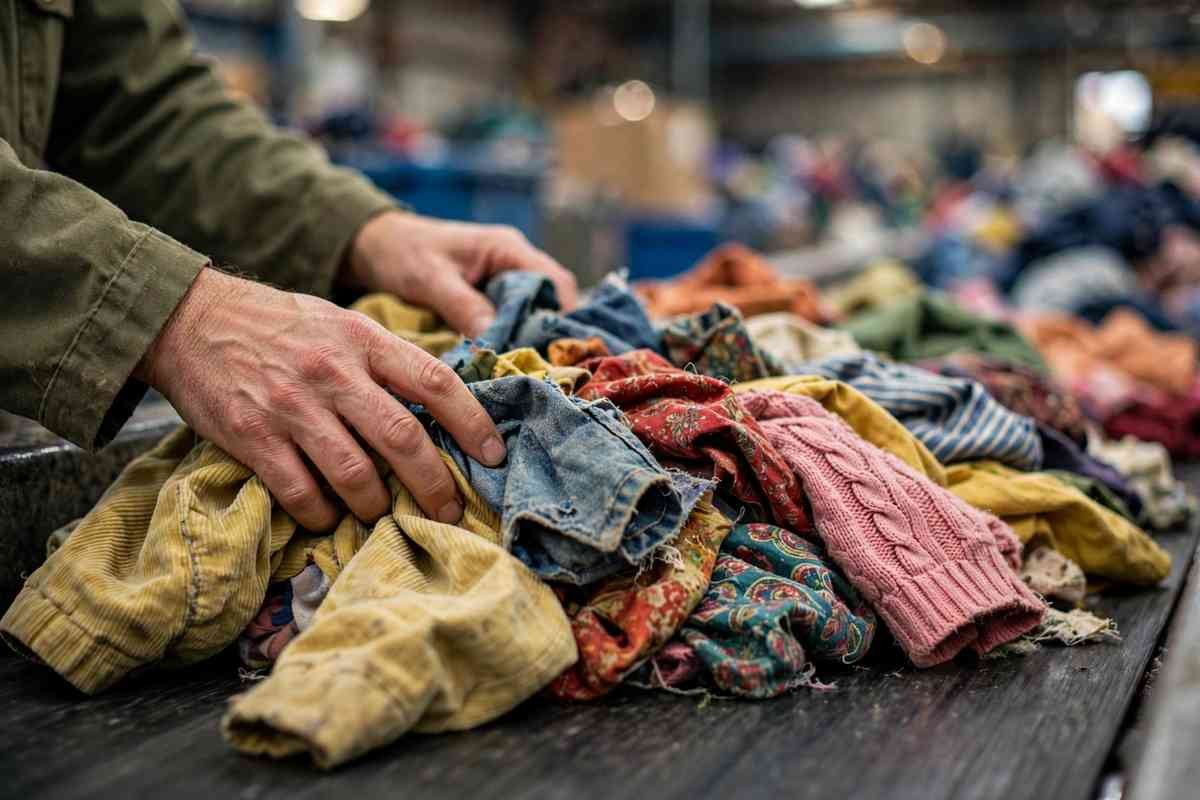
Sorting is where the magic happens. Experienced graders work at astonishing speed, assessing each garment in seconds and tossing it into the correct stream. The main categories are remarkably consistent across the industry:
- Vintage and collectible. The top tier: pieces with resale value to vintage dealers, from 90s band tees to designer archive. This is the smallest but most lucrative stream.
- Wearable secondhand. Good-condition clothing sorted by type and quality for domestic thrift and export markets.
- Wiping rags. Cotton garments too worn to wear are cut into industrial wiping cloths, the original “rags” of the trade.
- Fiber reclamation. Wool and other fibers are shredded back into yarn, a process called shoddy, and respun into new textiles.
- Waste. The smallest possible fraction: genuinely unusable material, increasingly diverted to energy recovery.
A skilled grader’s eye is the industry’s most valuable asset. They can spot a valuable vintage piece in a blur of fast fashion, and their judgment determines whether a garment earns dollars or pennies.
The Grading System Explained
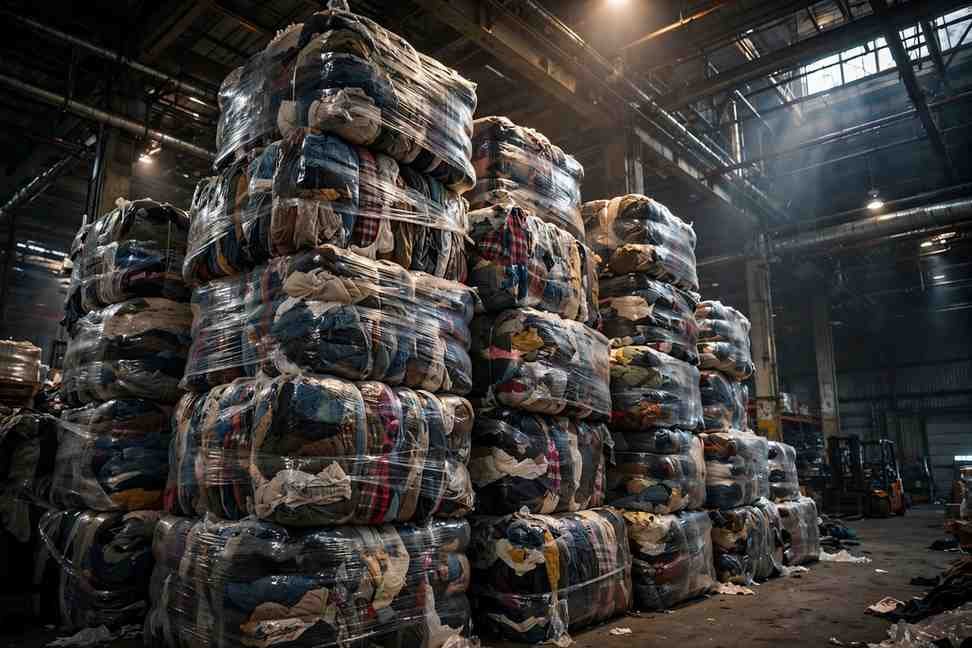
Within the wearable stream, grading gets granular. Buyers purchase by grade, and the terminology is its own language. “Cream” or “Grade A” means the best vintage-quality pieces. Standard grades cover good wearable clothing sorted by category: men’s shirts, women’s dresses, children’s wear, and so on. Lower grades go to developing markets where affordable clothing is in high demand.
Pricing follows the grade precisely. A bale of premium vintage might sell for thousands, while a bale of low-grade mixed clothing sells for a fraction of that. This grading economy is what makes the whole system work: it matches every garment with the market willing to pay most for it, maximizing both revenue and reuse.
The Global Secondhand Economy
Rag houses sit at the center of a massive global trade. Sorted clothing ships by the container to markets across Africa, Asia, Latin America, and Eastern Europe, where secondhand clothing is a major retail category. This trade dresses millions of people affordably, but it also raises real questions about its effects on local textile industries, a debate the industry continues to grapple with.
Domestically, the vintage stream feeds the stores and dealers that define streetwear’s secondhand culture. That “deadstock” 90s hoodie at your local vintage shop almost certainly passed through a rag house’s grading tables. The current vintage boom, with archival pieces commanding luxury prices, has made the top grades more valuable than ever.
Rag Houses and Streetwear Culture
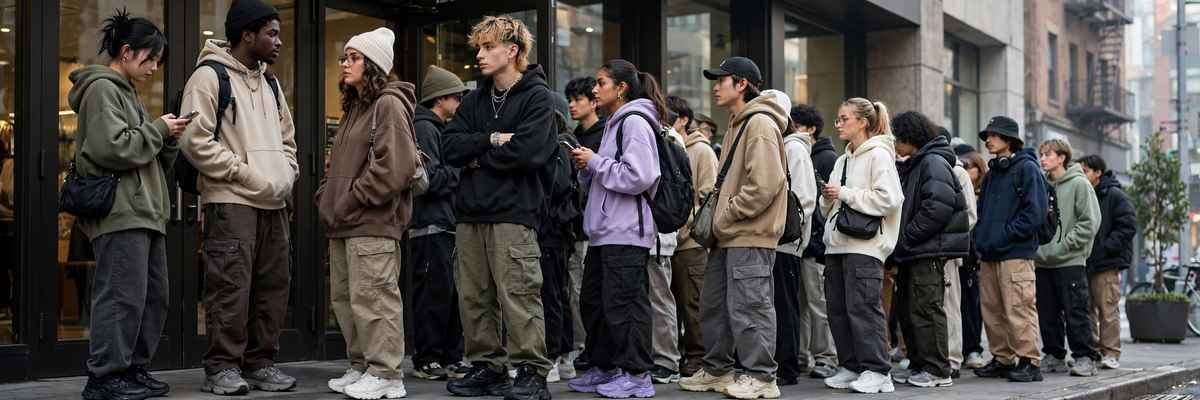
Streetwear’s obsession with vintage is inseparable from the rag house economy. The 90s sportswear, workwear, and band tees that define the aesthetic were literally rescued from the waste stream by graders who recognized their value. Every “vintage wash” trend, every archival revival, traces back to someone pulling a gem from the sorting line.
Smart vintage dealers build direct relationships with rag houses, getting first look at incoming cream grades. For the rest of us, understanding the system explains why thrift store finds feel increasingly picked over: the best pieces are often graded out before they ever reach retail. Knowledge is power, and now you know where the real selection happens.
How to Benefit From the System
You can’t shop at most rag houses directly, but you can work the system to your advantage:
- Befriend vintage dealers. The good stuff flows through them; relationships get you first looks.
- Learn to grade yourself. Study fabrics, construction, and labels so you can spot quality in any thrift rack.
- Buy by the bale selectively. Some rag houses sell mixed bales to the public; it’s a gamble, but the wins are real.
- Donate thoughtfully. Clean, wearable donations grade higher and genuinely help the system work.
- Support textile recycling. Even worn-out clothes have value as wiping rags or fiber; keep them out of landfill.
- Respect the graders. The vintage economy runs on their expertise; the best dealers treat them as partners.

The Future of the Rag Trade
The industry faces real challenges. Fast fashion’s declining quality means more donations grade into the lowest streams, squeezing margins. But technology is helping: automated sorting, better fiber-recycling chemistry, and resale platforms are all evolving the model. Extended producer responsibility laws may soon make brands financially responsible for their products’ end of life, which would transform the economics entirely.
What won’t change is the fundamental need. As long as humans wear clothes, someone will need to sort the old ones. The rag house, in whatever form it takes, isn’t going anywhere.
Conclusion
A rag house is where fashion’s afterlife begins: part warehouse, part casino, part cultural archive. These facilities quietly process the material reality behind every vintage trend and thrift haul, turning the world’s discarded clothing into a functioning circular economy. The next time you score an incredible vintage find, spare a thought for the grader who pulled it from the stream. They’re the unsung heroes of sustainable style.




Leave a Reply