
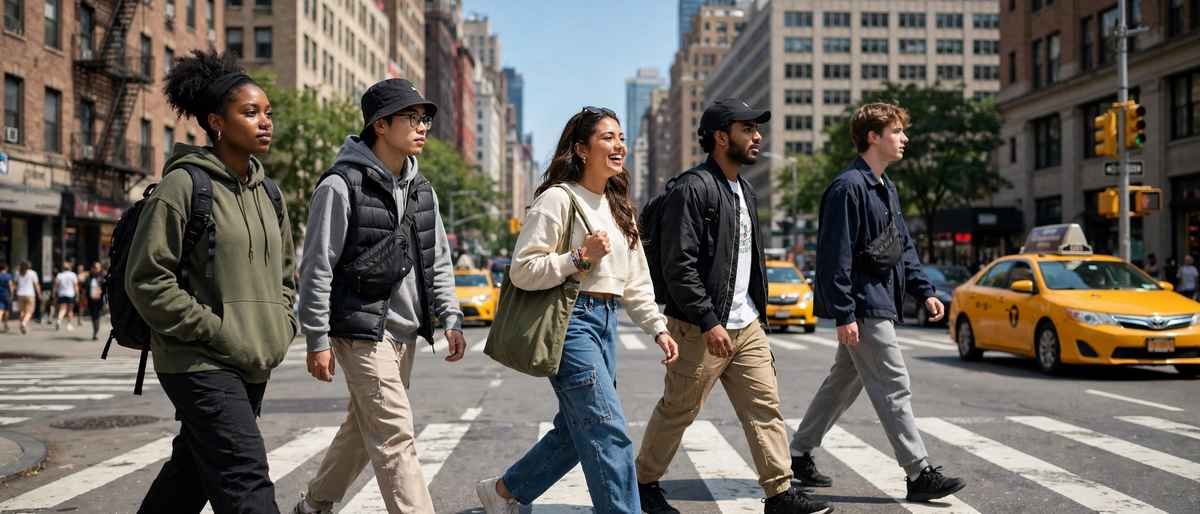
America invented streetwear, and in 2026 it still sets the global agenda. From New York skate shops to Los Angeles ateliers, Detroit workwear factories to Boston sneaker boutiques, American labels built the culture’s foundations and keep reinventing it. What makes American streetwear distinct is its source material: hip-hop, skateboarding, workwear, prep, and sportswear, remixed into something the rest of the world spends billions trying to copy.
This 2026 edition ranks the ten American brands that matter most right now, the labels shaping what the world wears, how drops work, and where the culture goes next. These aren’t just the biggest names; they’re the ones with genuine cultural gravity.
1. Supreme – New York’s Undisputed King
Three decades in, Supreme remains the gravitational center of streetwear. The weekly drop model it pioneered still dictates how the entire industry releases product, and the box logo remains the most bootlegged, referenced, and coveted mark in casual clothing. What keeps Supreme essential in 2026 isn’t nostalgia; it’s consistency. The brand still collaborates with genuine cultural figures rather than whoever is trending, still produces in limited runs, and still treats its Lafayette Street flagship as sacred ground. Love the hype or hate it, every streetwear brand on earth is downstream of Supreme.
2. Stüssy – California’s Original
Shawn Stussy was tagging surfboards before most streetwear founders were born, and his namesake label invented the template: subculture graphics, quality basics, and a tribe that spans continents. Stüssy’s late-career renaissance is one of fashion’s best stories, as a new generation discovered the handstyle logo through collaborations and vintage finds. The brand’s strength is its deep archive and authenticity; it can reference 40 years of graphics without repeating itself. In 2026, Stüssy sits in the rare position of being both heritage and hype, a combination almost nobody else pulls off.
3. Kith – New York’s Lifestyle Empire
Ronnie Fieg turned a Queens sneaker boutique into a global lifestyle brand spanning apparel, footwear collaborations, and even cereal bars. Kith’s genius is world-building: every flagship is an experience, every collaboration tells a story, and the seasonal collections balance streetwear staples with genuine design ambition. The brand’s Monday program and limited releases keep the community engaged without the toxicity of pure hype culture. Kith proved that a streetwear label could grow up into a full lifestyle company without losing its soul, and the industry has been copying the playbook ever since.
4. Fear of God – LA’s Minimalist Revolution
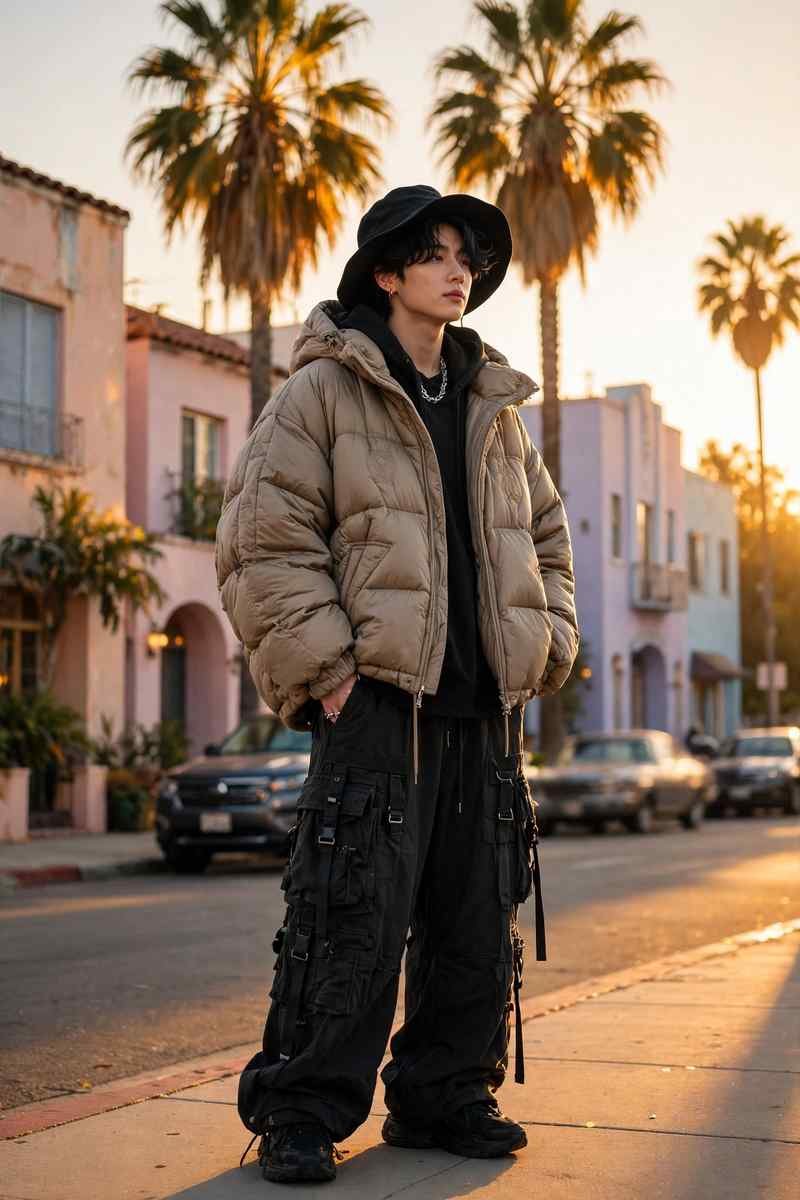
Jerry Lorenzo didn’t just build a brand; he changed how a generation dresses. Fear of God’s elongated silhouettes, muted palettes, and elevated basics created a whole aesthetic category that luxury and fast fashion both rushed to copy. The Essentials diffusion line democratized the look, making the brand’s staples accessible to millions. In 2026, Lorenzo’s influence extends into his work reshaping basketball culture’s relationship with fashion. Fear of God is proof that American streetwear can be quiet, spiritual, and deeply considered, not just loud and logo-driven.
5. Carhartt – Detroit’s Workwear Legend
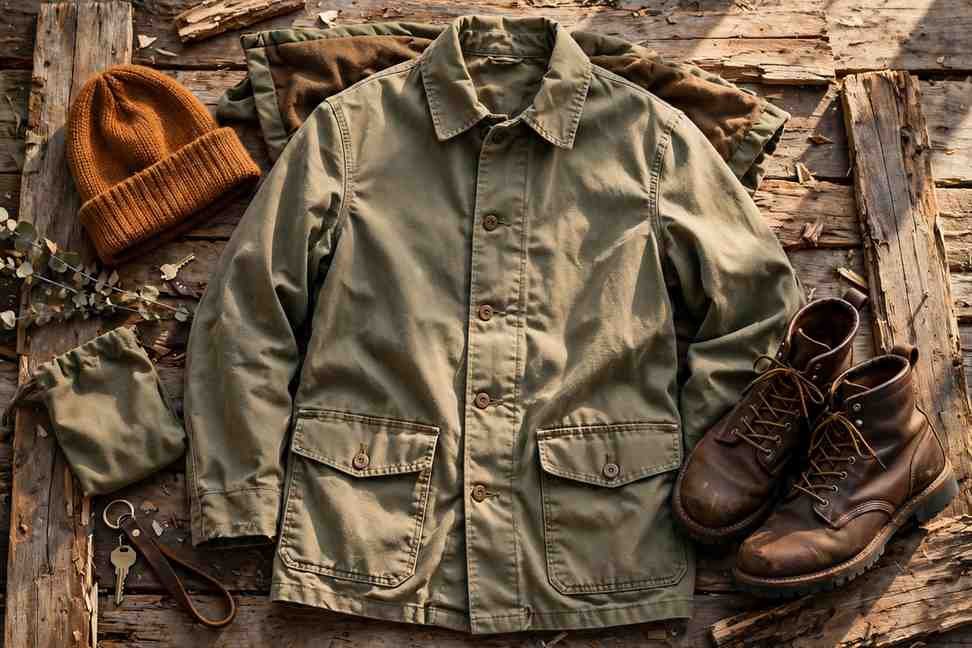
Long before streetwear existed, Detroit’s workers were wearing Carhartt, and hip-hop’s embrace of the brand in the 90s made it streetwear by adoption. The chore coats, beanies, and double-knee pants that built America became status symbols in New York and London, prized for their indestructibility and honest design. Carhartt’s work-in-progress line refined the heritage for European streets while the mainline stayed true to its roots. Few brands can claim 130-plus years of relevance; Carhartt’s secret is never changing what works. Buy it once, wear it forever.
6. Aimé Leon Dore – Queens Nostalgia, Perfected
Teddy Santis bottled 90s Queens, basketball culture, Greek diners, and old New York romance, and turned it into fashion’s most imitated mood. Aimé Leon Dore’s Mulberry Street flagship became a pilgrimage site, and the brand’s campaigns set the visual standard for an entire era of menswear. The New Balance collaborations alone reshaped the sneaker market. What makes ALD special is emotional specificity: every collection feels like a memory, which is why it resonates far beyond New York. In 2026, it’s the rare brand that luxury, streetwear, and your stylish uncle all agree on.
7. Denim Tears – Storytelling Through Cotton
Tremaine Emory’s Denim Tears uses clothing as historical text, with the cotton wreath motif referencing the legacy of slavery and Black labor in America. It’s streetwear as education and memorial, produced with obsessive quality and sold through some of the most thoughtful retail experiences in fashion. The brand’s collaborations are cultural events, and its influence on how young designers approach narrative in clothing is profound. Denim Tears proves American streetwear can carry the weight of history while still producing pieces people genuinely love to wear. Essential in every sense.
8. Telfar – The People’s Luxury
Telfar Clemens declared “not for you, for everyone” and built a brand on radical accessibility. The shopping bag, dubbed the Bushwick Birkin, became a genuine cultural phenomenon by refusing luxury’s exclusionary playbook: reasonable prices, restocks for the community, and unisex designs for everybody. Beyond the bag, Telfar’s clothing and collaborations carry the same democratic energy. The brand’s business model, community pricing, direct engagement, is as influential as its designs. Telfar didn’t just make great products; it proposed a whole new way for fashion to work.
9. Brain Dead – LA’s Art-Damaged Collective
Brain Dead operates more like a punk zine collective than a clothing company, and that’s its power. The LA label’s chaotic graphics, drawn from underground comics, horror films, and skate culture, created a visual world with no equivalent in fashion. Their Fabrications retail spaces double as cultural venues, and collaborations span from heritage outdoor brands to contemporary artists. Brain Dead represents the weirder, more creative end of American streetwear, proof that the culture still has room for genuine artistic vision amid the commercial machinery. Never boring, always interesting.
10. Bodega – Boston’s Hidden Institution
Behind a fake convenience storefront in Boston sits one of America’s most influential streetwear boutiques, and its in-house label carries the same clever energy. Bodega’s collaborations are legendary for their storytelling, turning sneaker releases into narrative experiences with hidden rooms, puzzles, and short films. As a retailer, Bodega helped break countless brands to the American market; as a label, it produces some of the smartest graphic clothing in the game. Bodega proves that in American streetwear, the shopping experience itself can be the art form.
How to Shop American Streetwear in 2026
The American market has its own rules. Here’s how to navigate them:
- Respect the drop calendar. Supreme drops Thursdays, and major releases cluster around holidays; plan accordingly.
- Know your retail tiers. Flagships for the experience, boutiques like Bodega for curation, outlets for staples.
- Buy heritage for life. Carhartt and similar workwear labels reward the buy-once philosophy.
- Watch the diffusion lines. Essentials and similar lines offer the aesthetic at a fraction of the price.
- Support the storytellers. Brands like Denim Tears and Telfar are building something bigger than clothes.
- Authenticate everything. The most-copied American brands attract the most fakes; verify high-value buys.
Conclusion
American streetwear in 2026 is a story of range: workwear that’s older than the automobile, skate labels that became luxury players, and young designers rewriting fashion’s social contract. These ten brands show that the culture’s birthplace is still its most dynamic laboratory. From Detroit factories to Queens side streets, America keeps dreaming up the clothes the world wants to wear, and the rest of the planet keeps taking notes.


Leave a Reply