

For all the slip dresses and tailored coats, Carolyn Bessette-Kennedy’s most relatable uniform might have been her denim. She wore jeans the way she wore everything else: simply, perfectly, and without a hint of trying too hard. No distressing, no designer gimmicks, no trend-chasing cuts. Just honest jeans that fit exactly right, and therein lies the entire masterclass.
This is Denim 101, CBK edition: the cuts she favored, the washes that worked, how she styled them, and the fit principles that made simple jeans look like a million dollars. Consider this your complete education in minimalist denim.
Her Denim Philosophy: Boring on Purpose
Her approach to denim rejected everything fashion was selling. While the 90s cycled through baggy JNCOs, low-rise extremes, and designer logo jeans, she stuck to the classics: straight legs, mid rises, clean washes. The jeans were never the outfit’s statement; they were its foundation.
This is the first lesson. Great denim style isn’t about the jeans being interesting; it’s about the jeans being right. Fit, proportion, and condition matter infinitely more than brand, wash effects, or detailing. Her jeans looked expensive because they fit perfectly and were impeccably maintained, not because of what was on the label.
The Cuts: Straight-Leg Supremacy
Her go-to cut was the straight leg: consistent width from hip to ankle, skimming the leg without clinging. This silhouette is the most versatile in denim because it balances every body type and pairs with everything from boots to ballet flats. She occasionally wore a subtle taper, but never skinny, never wide, never extreme.
The rise sat at the natural waist or just below, the 90s mid-rise that elongates the leg without the discomfort of high-rise extremes. For replication, look for “straight” or “slim-straight” cuts rather than fashion-forward silhouettes. The goal is a clean line from hip to shoe, with enough ease to look relaxed and enough structure to look intentional.
The Washes: A Study in Restraint
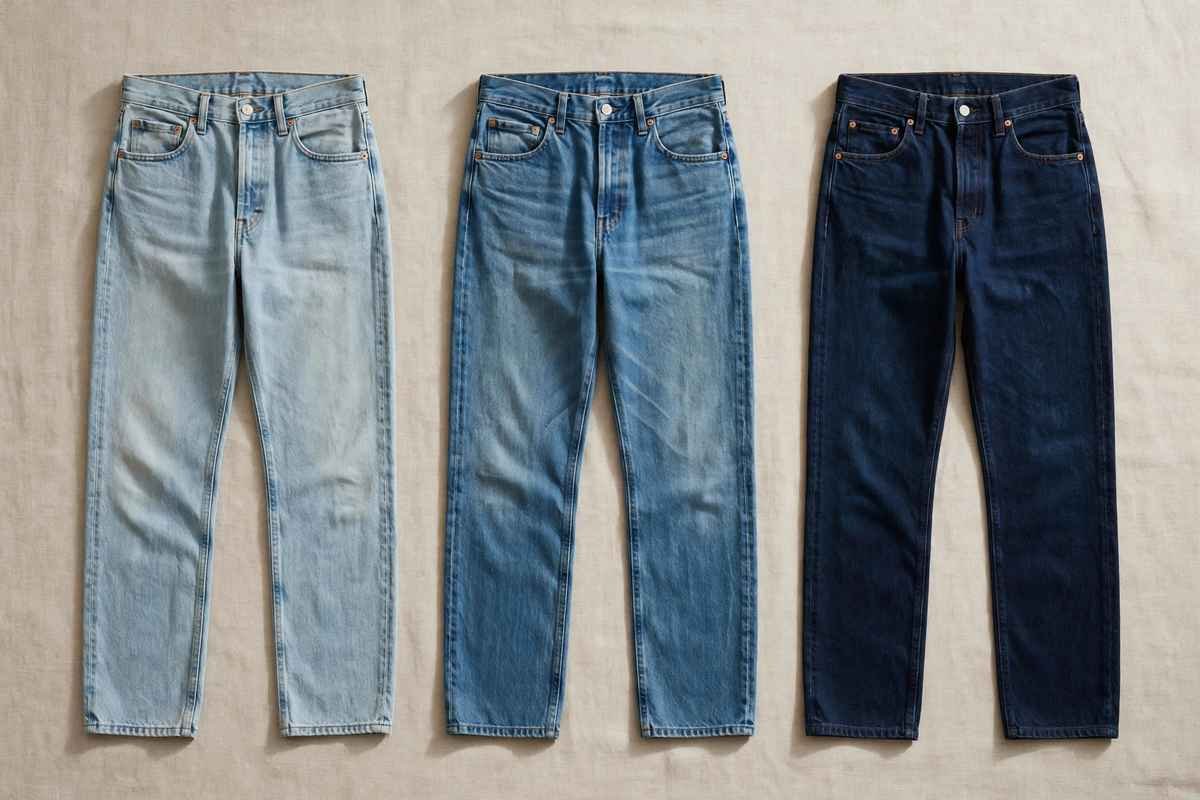
Her denim palette was disciplined: medium vintage blue, dark rinse, and occasionally black. Each wash served a purpose. Medium blue was the daytime casual staple, dark rinse dressed up for evenings, and black jeans functioned almost as trousers.
What she avoided is instructive: no acid wash, no heavy whiskering, no sandblasted fades, no colored denim. Her washes looked natural because they were, broken in through wear rather than manufactured in a factory. When shopping, choose washes with subtle, even fading. If a pair looks “designed,” it’s too much.
How She Styled It: The Formulas
Her denim outfits followed reliable formulas that anyone can adopt. Jeans with a white shirt and loafers for polished casual. Jeans with a black turtleneck and boots for evening. Jeans with a Breton stripe and ballet flats for weekends. Jeans with a blazer for the smart-casual sweet spot.
Notice the pattern: the jeans stay constant while the companions change the register. This is the capsule wardrobe principle in action. Three pairs of well-chosen jeans can anchor dozens of outfits when everything else in the closet speaks the same minimalist language. The styling lesson is that versatility comes from simplicity.
Denim 101: Finding Your Perfect Pair
Here’s the practical fit guide distilled from her approach:
- Know your rise. Mid-rise suits most bodies and matches her aesthetic; sit down in the fitting room to test comfort.
- Check the back. No gapping at the waistband, no pulling across the hips; the rear view should be smooth.
- Mind the break. Her hems kissed the shoe with minimal stacking; get them hemmed rather than cuffing excessively.
- Choose your stretch. Rigid denim molds to you beautifully but needs break-in; 1-2% stretch offers comfort with structure.
- Buy for your body now. Not your aspirational size; jeans that fit today look better than jeans that might fit later.
- Consider the tailor. A $20 hem transforms off-the-rack jeans into custom-looking ones.
Care: Keeping Denim Perfect
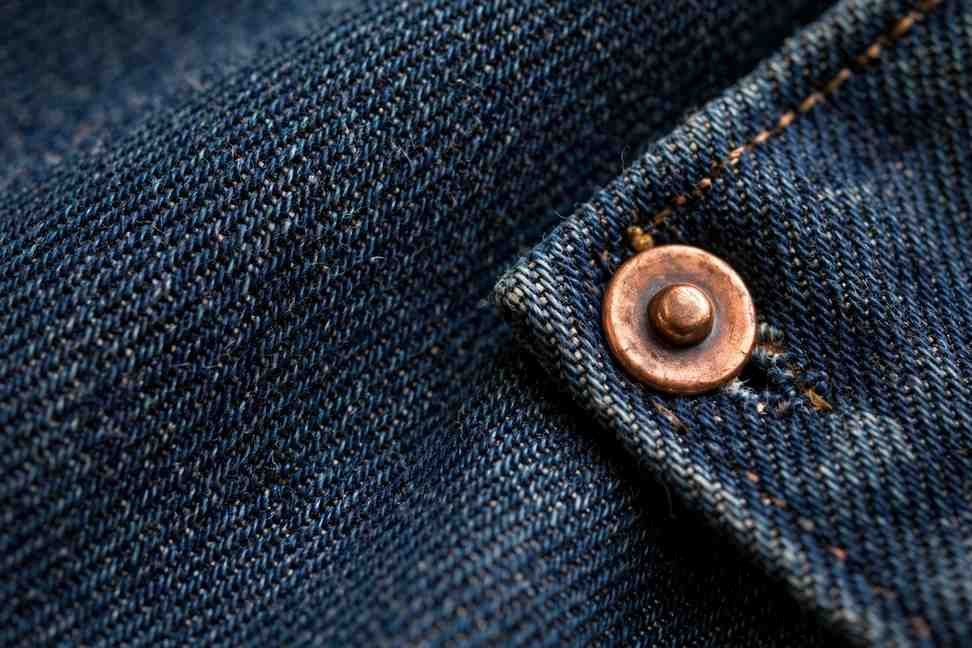
She treated jeans as investments, and her care routine showed it. Wash infrequently, inside out, in cold water, and always air dry. This preserves both color and fit far longer than machine drying. Spot-clean between washes, and embrace the natural fading that comes from real wear.
For dark rinse jeans, the first wash matters most: cold water, minimal detergent, and absolutely no dryer. For black jeans, washing inside out with a color-protecting detergent prevents the gray fade that cheapens the look. Well-maintained denim doesn’t just last longer; it looks better every year.

The Double Denim Question
She occasionally wore denim-on-denim, and the key was tonal variation: a lighter chambray shirt with darker jeans, or vice versa. The Canadian tuxedo works when the pieces are clearly different shades, creating contrast rather than a uniform. Keep everything else minimal, simple shoes, no competing accessories, and the look reads intentional rather than accidental.
Conclusion
The CBK Denim 101 Guide boils down to a single sentence: buy simple jeans that fit perfectly and wear them relentlessly. No tricks, no trends, no shortcuts. In a denim market built on novelty, her commitment to the classics feels more radical with every passing year. Find your straight leg, nail the fit, and let time do the rest. The best jeans are the ones that become yours.





Leave a Reply