

Long before “athleisure” was a word, Carolyn Bessette-Kennedy was perfecting it. In the early 1990s, her off-duty uniform of black leggings, oversized sweatshirts, and clean sneakers created a template that the entire fashion industry would spend the next three decades copying. It looked effortless because it was honest: clothes for moving through a real day, chosen with the same discipline she brought to everything else.
Recreating her early-90s athleisure look isn’t about buying a specific brand or chasing a trend. It’s about understanding the proportions, the palette, and the attitude that made simple workout clothes look like fashion. Here’s the complete guide.
The Era: Before Athleisure Had a Name
The early 90s were a transitional moment for casual dress. The neon excess of 80s workout wear was fading, and a quieter, more minimal athletic aesthetic was emerging. She was at the forefront of this shift, trading bright spandex for black leggings, oversized fleece, and simple cotton layers.
What distinguished her take was its urbanity. This wasn’t gym clothes worn to the gym; it was athletic clothing integrated into a Manhattan life, worn for errands, travel, and everything between workouts. She treated athleisure as a legitimate style category before the industry had invented the term, which is why her versions still look current while era-specific trends feel dated.
The Core Pieces: Her Athleisure Uniform
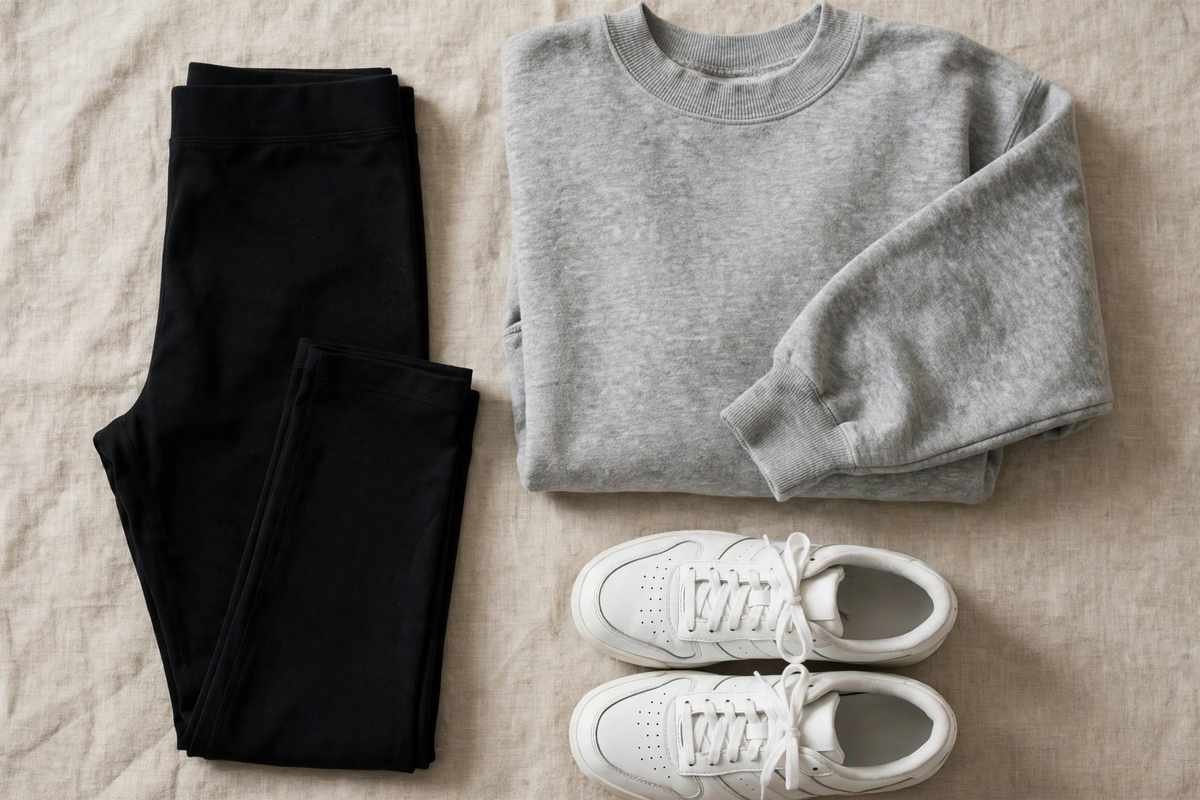
Her formula was remarkably consistent. Black leggings, always opaque and well-fitted, formed the base. On top, an oversized sweatshirt or fleece in grey, black, or cream, worn with the sleeves slightly pushed up. Footwear was clean and classic: white leather sneakers or simple running shoes, always in good condition.
The genius was in the proportions. The leggings were slim, the top was generous, and the balance between the two created a silhouette that was relaxed but never sloppy. Everything was monochrome or near-monochrome, which made the simplest pieces look deliberate. A baseball cap or headband occasionally completed the look, always in keeping with the understated palette.
Modern Equivalents: Building the Wardrobe
The good news is that her athleisure uniform is easier to build today than ever, since the market has caught up to her vision:
- The leggings. High-waisted, opaque black leggings in a matte performance or cotton-blend fabric. The key is opacity; no sheerness, ever.
- The sweatshirt. An oversized crewneck in heavyweight fleece, grey marle or black. Size up for the authentic drape.
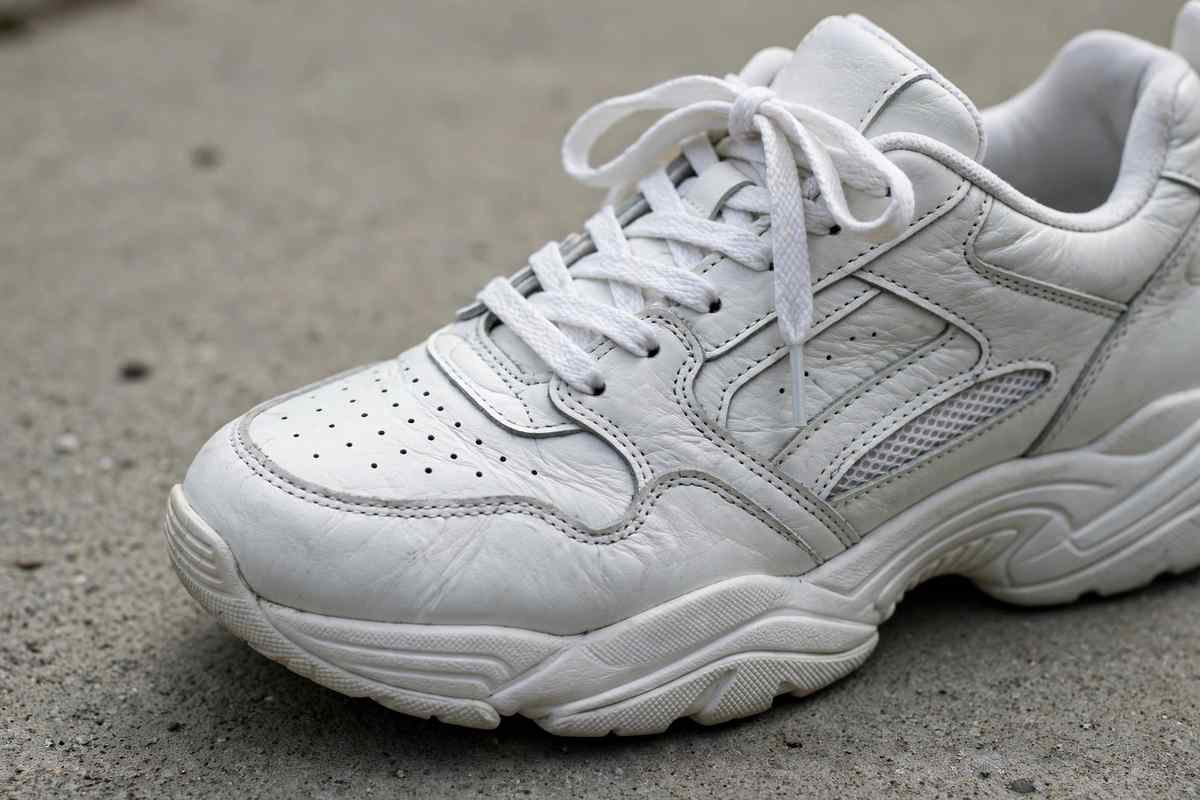
- The sneakers. Clean white leather sneakers with minimal branding. Keep them spotless; worn-out sneakers break the spell.
- The layers. A black zip-up fleece or simple windbreaker for transitional weather, plus a cotton cap for bad hair days.
- The extras. A canvas tote for daily carry and simple stud earrings if you want a touch of polish.
Styling It Right: The Details Matter
The difference between her athleisure and a generic gym outfit was entirely in the details. Her leggings were always pristine, never pilling or faded. Her sweatshirts were quality fleece, not thin promotional tees. Her sneakers were clean. The overall impression was of someone who took even casual dressing seriously.
Hair and grooming followed suit: pulled back neatly, minimal makeup, an air of intention. This is the crucial and often missed element. Athleisure only reads as style when everything else is polished; otherwise it reads as giving up. She never gave up, even in sweatpants.
From Workout to Street: The Transition
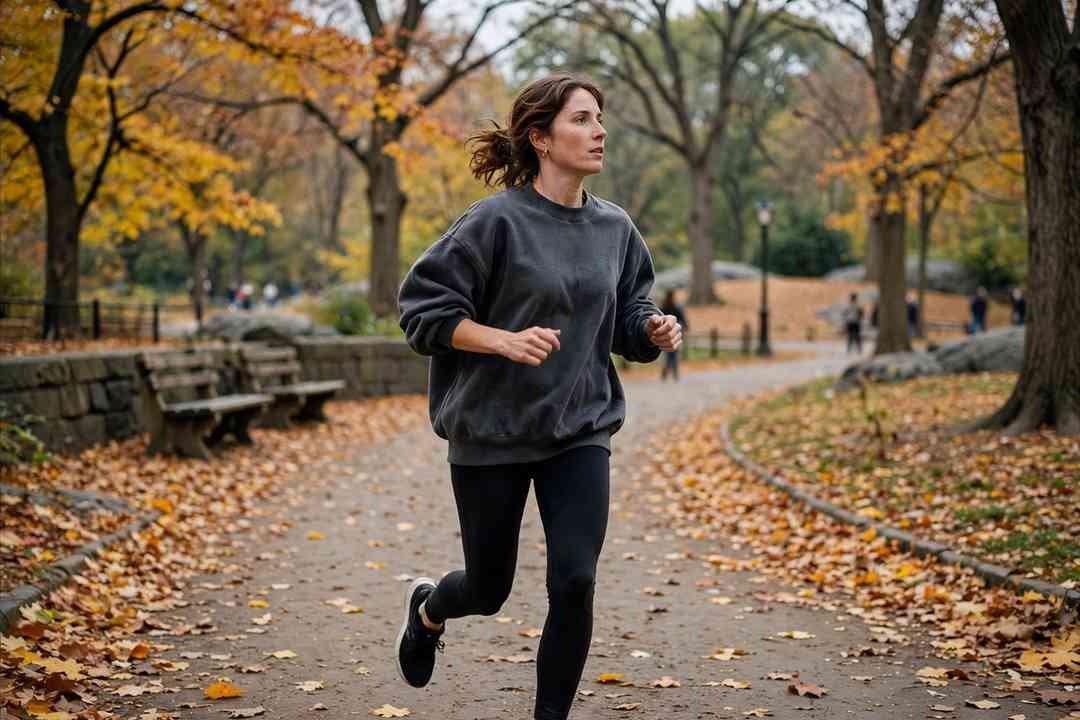
Her athleisure worked because it was genuinely transitional. The same outfit moved from a morning workout to afternoon errands without missing a beat. To replicate this versatility, choose pieces that perform in both contexts: leggings with enough structure for the street, a sweatshirt substantial enough to anchor an outfit, sneakers clean enough for anywhere.
The layering piece is what makes the transition work. Throwing a tailored coat over the leggings-and-sweatshirt base instantly elevates it for city life, a trick she used often. A long wool coat over athleisure remains one of the great high-low formulas, and she was doing it thirty years ago.
Tips for Nailing the Look
- Invest in the leggings. They’re the foundation; quality fabric and construction make all the difference.
- Go oversized on top, always. The slim-bottom, generous-top proportion is non-negotiable.
- Keep the palette tight. Black, grey, white, and cream. Color is for other outfits.
- Maintain everything ruthlessly. Depill, wash carefully, replace when worn. Athleisure shows neglect instantly.
- Add one polished element. A good coat, clean sneakers, or simple jewelry elevates the whole look.
- Own the simplicity. Confidence is the final ingredient; wear it like it’s a choice, because it is.
Conclusion
Her early-90s athleisure look endures because it was never really about athletic wear. It was about the radical idea that comfort and polish aren’t opposites, that simple clothes worn with intention can be as stylish as anything on a runway. Recreate the pieces, but more importantly, recreate the standard: everything clean, everything considered, nothing accidental. Thirty years later, the formula still works perfectly.





Leave a Reply