
Fine hair and the French bob were made for each other. The cut’s chin-grazing length removes the weight that drags fine hair flat, its clean perimeter creates the illusion of thickness, and its classic shape looks polished with almost no styling. But fine hair also has specific needs: the wrong layering can make ends look stringy, the wrong products can leave hair limp, and a bob cut without fine hair in mind can collapse by midday. In 2026, the low-maintenance fine-hair French bob is all about strategic cutting choices that build in volume and structure from the start.
This guide is for anyone with fine hair who wants a French bob that practically styles itself. We will cover the cutting techniques that make fine hair look fuller, the styling routine that takes under ten minutes, the products that add body without buildup, and the maintenance schedule that keeps the shape sharp. If you have ever been told your hair is too fine for a bob, this guide will change your mind.
1. Keep the Perimeter Blunt and Full
The single most important decision for a fine-hair French bob is keeping the perimeter blunt. Every layer you add removes weight from the ends, and on fine hair, that weight is what creates the appearance of thickness. A blunt, one-length perimeter makes the ends look dense and healthy, which is exactly the illusion fine hair needs.
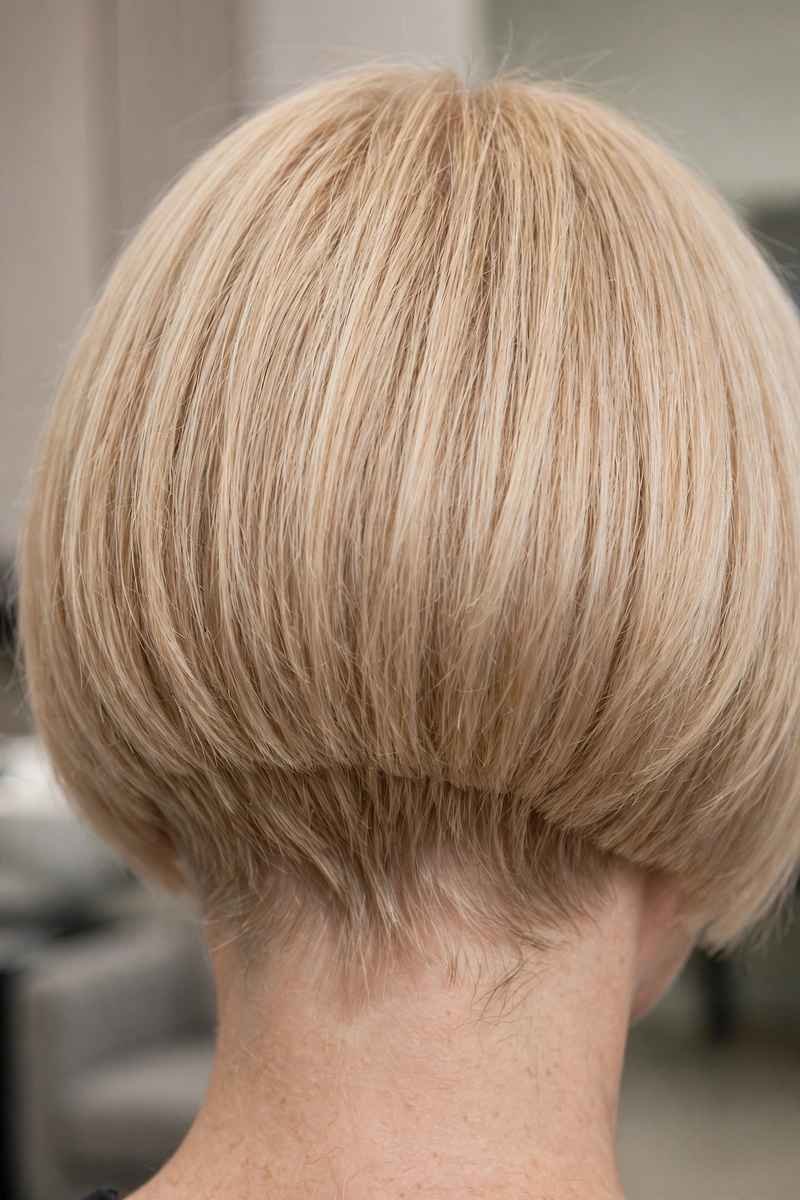
Ask your stylist for minimal layering through the lengths. A tiny bit of softening at the very ends is fine, but avoid choppy or heavily textured ends, which can make fine hair look thinner. The blunt line should be crisp and clean. When you look at the back of your bob in the mirror, the bottom edge should look solid and substantial, not wispy or see-through.
2. Add Subtle Graduation for Built-In Volume
While the lengths stay blunt, the back of the cut benefits from gentle graduation. Slight stacking through the nape builds natural volume at the crown without any styling effort. This is the secret behind French bobs that look full from the moment you wake up.
The graduation should be subtle: just enough to create a rounded shape that hugs the head. Too much stacking on fine hair can expose the scalp at the crown, so communicate clearly with your stylist. The goal is soft, quiet volume that looks like your hair naturally has more body than it does.
3. Choose the Right Length: Chin to Just Below
Length is critical for fine hair. Too long, and gravity pulls everything flat. Too short, and you lose the swinging movement that makes a bob beautiful. For fine hair, the sweet spot is chin-length to just below the chin, roughly one to two inches below the jawline.
This length is short enough to stay bouncy and full, but long enough to tuck behind the ears and show off the clean line of the cut. It also grows out gracefully: as it gets longer, it transitions into a lob rather than falling apart. If you are growing out a pixie, this is the perfect milestone length to aim for.
4. The Under-Ten-Minute Styling Routine
A low-maintenance French bob should not require a 30-minute blowout. This routine takes under ten minutes and works for most fine hair types. Start with damp hair and apply a lightweight volumizing mousse at the roots, focusing on the crown. Flip your head upside down and rough-dry with your fingers until the hair is about 80 percent dry.
Flip back up and finish with a round brush or a paddle brush, smoothing the ends under just slightly. A quick blast of cool air sets the shape. If your hair air-dries well, you can skip the blow-dryer entirely: scrunch in a little mousse, let it dry naturally, and shake out the roots for volume. The cut’s shape does the heavy lifting.
5. Products That Add Body Without Buildup
Fine hair is easily weighed down, so product choice matters enormously. Heavy creams, oils, and silicones can leave fine hair limp and greasy-looking by afternoon. The 2026 approach to fine-hair products is lightweight layering: a few featherweight products that each do one job well.
A volumizing mousse or root-lifting spray at the roots creates lift where you need it most. A light texturizing spray through the mid-lengths adds grip and separation. Dry shampoo is a fine-haired person’s best friend: applied at the roots on day two, it absorbs oil and adds volume simultaneously. Avoid applying conditioner to the roots, and clarify once a week if you use styling products daily.
6. Strategic Color for the Illusion of Thickness
Color can be a powerful tool for making fine hair look thicker. Dimension creates the illusion of density: subtle highlights and lowlights give the eye more to look at, which reads as fullness. A single-process solid color, especially very dark shades, can actually make fine hair look thinner by emphasizing the scalp.
Ask your colorist for soft, blended dimension rather than high-contrast streaks. Balayage or babylights in tones close to your natural color add depth without harsh lines. In 2026, the trend is toward natural-looking, sun-kissed dimension that enhances the cut rather than competing with it.

7. The Maintenance Schedule That Keeps It Sharp
A French bob on fine hair shows growth faster than on thick hair, because there is less volume to disguise an overgrown shape. The perimeter starts to look straggly and the graduation loses its punch after about six weeks. For a consistently sharp look, book trims every five to six weeks.
Between appointments, a tiny trim of the very ends at home is not recommended: blunt perimeters are unforgiving, and an uneven DIY trim will show. Instead, keep the cut fresh with good styling habits and regular clarifying. If your budget is tight, ask your stylist about a perimeter tidy-up service, which is often cheaper than a full cut and keeps the shape intact.
Fine Hair French Bob: Daily and Weekly Checklist
Low maintenance does not mean no maintenance. These small habits take almost no time and make an enormous difference in how your French bob looks and behaves.
- Wash with a volumizing shampoo, focusing shampoo on the scalp and letting the suds cleanse the lengths.
- Condition only from mid-lengths to ends, never at the roots.
- Use a lightweight mousse on damp roots for lift that lasts all day.
- Sleep on a silk or satin pillowcase to reduce friction and morning flatness.
- Refresh roots with dry shampoo on non-wash days instead of overwashing.
- Clarify once a week to remove product buildup that weighs fine hair down.
- Trim every 5 to 6 weeks to keep the blunt perimeter crisp and full-looking.

Common Mistakes to Avoid with Fine Hair Bobs
The most common mistake is over-layering. Layers are often recommended for volume, but on fine hair, too many layers thin out the ends and create a wispy, insubstantial look. Another mistake is using too much product: more product does not mean more volume on fine hair. Start with less than you think you need.
Avoid razor cutting on very fine hair, as it can fray the ends and make them look thinner. Be cautious with heavy oils and butters, which coat fine strands and pull them flat. And do not skip trims: fine hair shows damage faster, and split ends travel quickly up thin strands, making the whole cut look unhealthy.
Conclusion
A low-maintenance French bob is one of the best haircuts fine hair can get. The blunt perimeter creates fullness, the chin-grazing length keeps things bouncy, and subtle graduation builds in volume that lasts all day. With the right cut, a handful of lightweight products, and a simple routine, fine hair can look thick, polished, and effortlessly chic in 2026. The key is working with your hair’s natural tendencies rather than against them.




Leave a Reply