
Here’s a sentence you won’t hear often in fashion media: you don’t need to buy anything to dress like Carolyn Bessette-Kennedy. In fact, buying a cart full of “CBK-inspired” pieces is the fastest way to miss the entire point of her style. Her aesthetic wasn’t built on shopping; it was built on restraint, repetition, and knowing exactly what worked. The de-influencing starts now.
This isn’t a contrarian hot take for clicks. It’s the most honest style advice in this entire series. If you admire her minimalism, the last thing you should do is maximalist consumption in her name. Here’s why the stuff doesn’t matter, and what actually does.
The Paradox of the CBK Shopping List
Search her name online and you’ll drown in shopping guides: the exact coat, the dupe of the shoe, the affordable version of the bag. The irony is thick enough to cut. A woman famous for wearing the same simple pieces repeatedly has become the mascot for buying more things, and the fashion content machine rarely pauses to notice the contradiction.
Her style worked because of what she didn’t do. She didn’t chase trends, didn’t rotate through endless new pieces, and didn’t treat clothing as entertainment. Turning her into a shopping list inverts the philosophy. You cannot buy your way into an aesthetic whose entire meaning is buying less.
What She Actually Did (It Wasn’t Shopping)
Look past the individual pieces and a pattern emerges: she found her uniform and stuck to it. Simple silhouettes, a tight color palette, quality fabrics, minimal accessories. The power wasn’t in any single item but in the discipline of repetition. She wore things until they were perfectly broken in, then kept wearing them.
This is the part nobody wants to hear because it can’t be monetized. The secret wasn’t the specific slip dress or the particular loafer; it was the confidence to wear simple things well and the patience to let a wardrobe evolve slowly. That’s a practice, not a purchase.

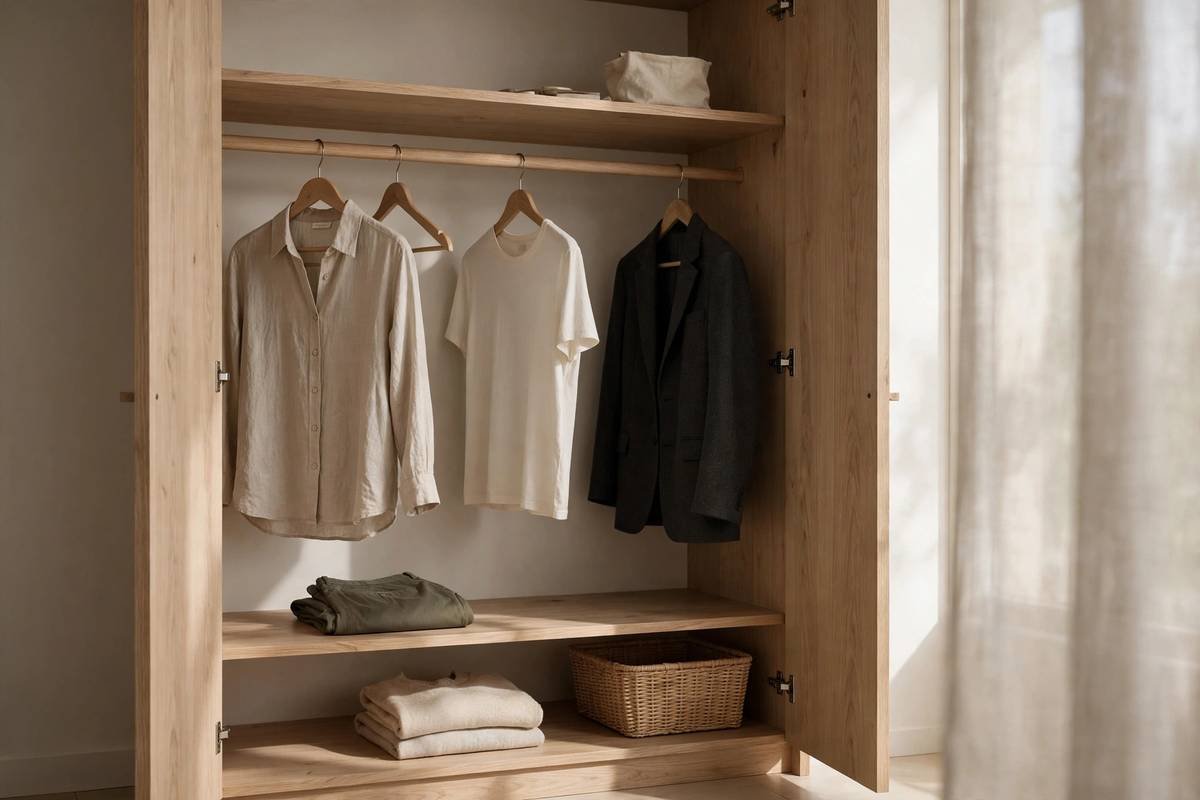
Shop Your Closet First
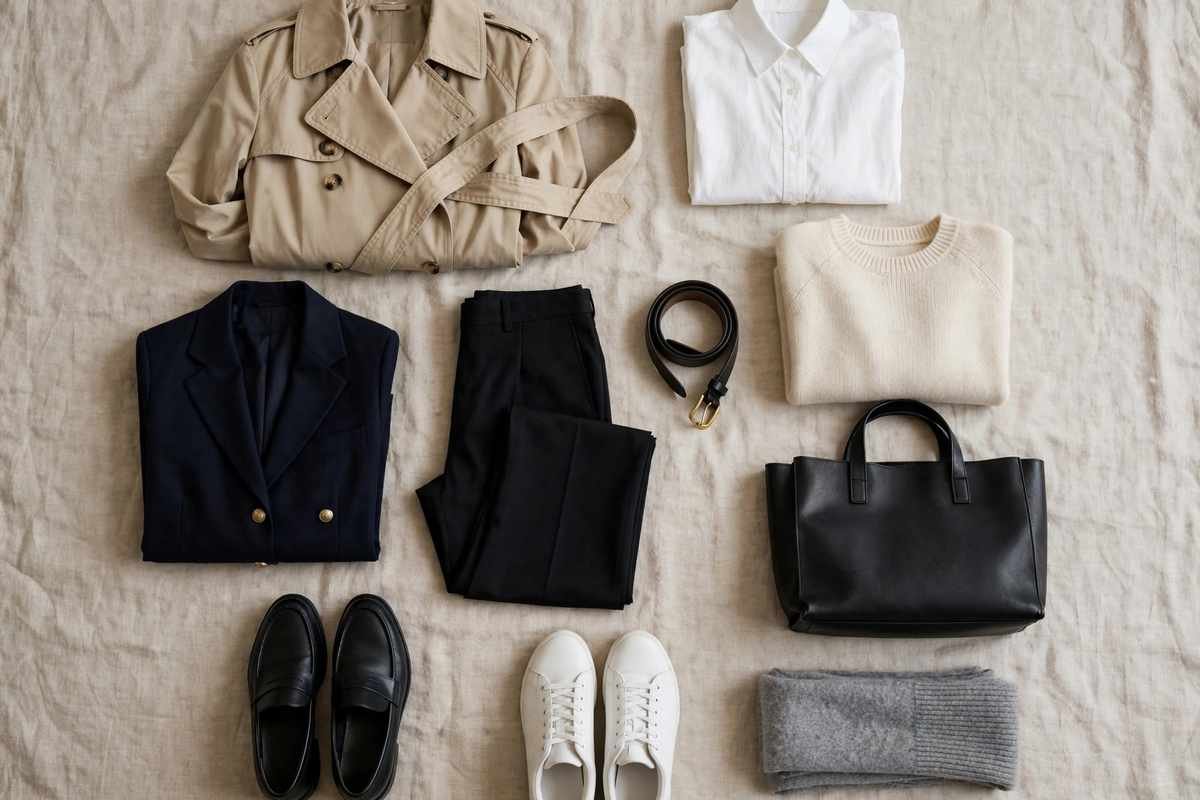
Before buying a single “CBK-inspired” item, do a proper audit of what you own. You’ll likely find the bones of the aesthetic already there: the white shirt, the black trousers, the simple knit, the beige coat. Most wardrobes contain a minimalist uniform waiting to be recognized.
The exercise is revealing. Lay out your simplest, best-fitting pieces in black, white, cream, navy, and camel. Try combinations without adding anything new. You’ll discover that the look is about editing and proportion, not acquisition. The pieces you already love, worn with intention, will get you closer than any shopping spree.
The Few Things Actually Worth Buying
De-influencing doesn’t mean never buying anything. It means buying with brutal intentionality. If your closet audit reveals genuine gaps, these are the only categories worth investing in:
- Fit fixes. Tailoring your existing pieces delivers more style per dollar than any new purchase.
- The missing neutral. If you truly lack a good white shirt or black trouser, one quality version fills the gap for years.
- Quality upgrades. Replacing a worn-out staple with a better-made version is maintenance, not consumption.
- Nothing else. Seriously. If it doesn’t fall into the above, you don’t need it.
How to Resist the Haul Culture
The algorithm wants you shopping; here’s how to opt out:
- Unfollow haul accounts. Curate your feed toward styling and philosophy, not shopping.
- Use the 30-day list. Want something? Write it down and revisit in a month; most urges evaporate.
- Calculate cost per wear. A $300 coat worn 100 times beats five $60 trend pieces worn twice.
- Embrace repetition. Wearing the same great outfit twice in one week is the most CBK thing you can do.
- Find joy elsewhere. If shopping is your hobby, the issue isn’t your wardrobe; cultivate other interests.
What to Do Instead: The Real Lessons
If not shopping, then what? Her actual lessons are all practices, not products. Develop your eye by studying proportion and fit rather than scrolling new arrivals. Learn what colors genuinely suit you and commit to them. Invest time in grooming and posture, which elevate simple clothes more than any accessory. Build a relationship with a good tailor. And cultivate the confidence to be the simplest-dressed person in the room.
These practices are free, and they’re the entire game. The woman herself would likely find the modern CBK shopping industrial complex baffling, if not mildly horrifying.

Conclusion
De-influencing isn’t about deprivation; it’s about clarity. You don’t need to buy Carolyn Bessette stuff because the stuff was never the point. The point was knowing yourself well enough to need very little, and wearing that little with absolute conviction. Close the shopping tab, open your closet, and start there. That’s the most authentic tribute you could possibly pay.





Leave a Reply