
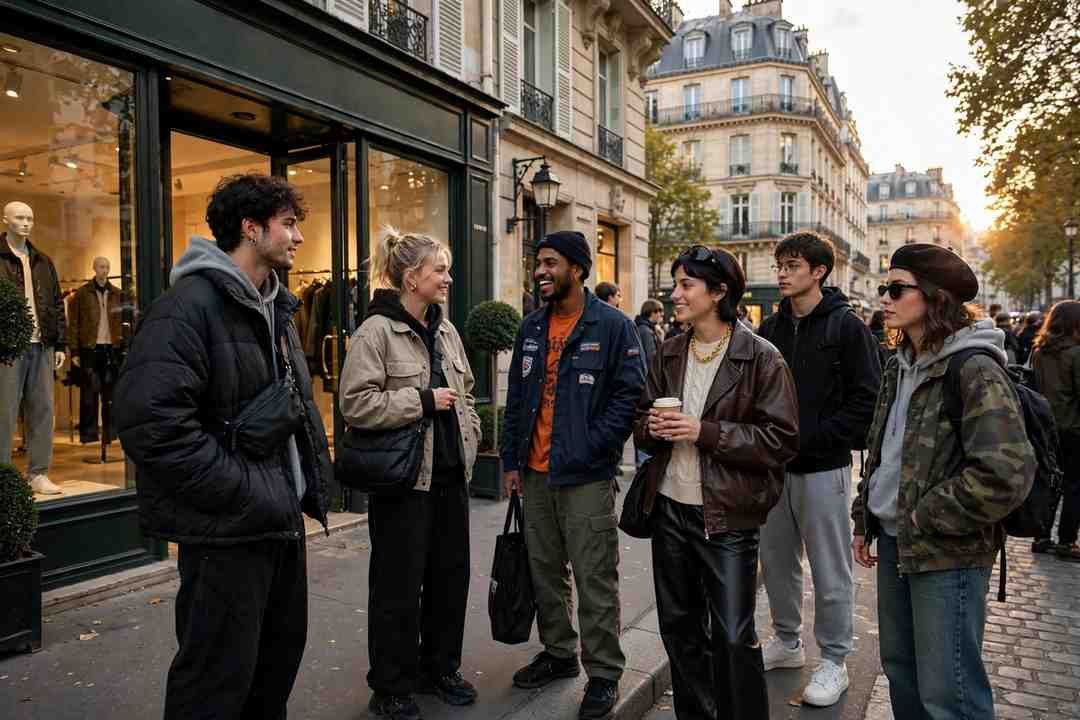
Europe doesn’t do streetwear the American way, and that’s precisely its strength. Where US labels often chase hype, European brands bring tailoring heritage, terrace culture, and a Scandinavian design discipline that turns casual clothing into something genuinely refined. In 2026, the continent’s streetwear scene is arguably the most diverse on earth, spanning Milanese luxury, Parisian cool, London attitude, and Copenhagen minimalism.
This edition of our European ranking focuses on ten labels that are shaping how the continent dresses right now. Some are luxury houses with street roots, others are independent labels with cult followings, but all of them prove that European streetwear is a distinct language, not just an American accent.
1. Palm Angels – Milan’s Street Couture
Francesco Ragazzi built Palm Angels from a photography book about LA skaters into one of Italy’s defining luxury-streetwear labels. The brand’s gothic lettering, teddy-bear motifs, and track-inspired silhouettes created a visual language that luxury streetwear still speaks today. Now firmly established within the Italian fashion system, Palm Angels continues to blend skate culture references with impeccable Milanese production. Their track pants and logo tees remain entry-level grails, while runway collections push the aesthetic into genuinely avant-garde territory. A case study in how to scale without losing the plot.
2. Kappa – The Italian Icon Returns
Few logos are as deeply embedded in football and street culture as Kappa’s Omini silhouette. After dominating 90s terraces and hip-hop videos, the Italian sportswear brand has ridden the retro wave back to the center of streetwear. The Banda tracksuits, with their taped sleeves, are as recognizable now as they were thirty years ago, and collaborations with fashion labels keep the brand culturally current. Kappa’s appeal is authenticity: this isn’t a heritage revival manufactured in a boardroom, it’s a brand that never actually left the streets. Affordable, iconic, and endlessly rewearable.
3. GCDS – Italy’s Playful Provocateur
GCDS (God Can’t Destroy Streetwear) brings a much-needed sense of humor to Italian fashion. Founder Giuliano Calza mixes cartoonish graphics, bold colors, and cheeky slogans with surprisingly sharp tailoring, creating clothes that work as well in Milan as in a mosh pit. The brand’s playful take on luxury codes, think Hello Kitty collaborations and surreal runway sets, has won it a devoted young following. In a landscape of po-faced minimalism, GCDS is a reminder that streetwear is supposed to be fun. Their accessories and knitwear are particular standouts.
4. Pigalle – Parisian Basketball Culture
Stéphane Ashpool’s Pigalle is where Parisian street culture meets high fashion most authentically. Born from a basketball court wedged between Paris apartment blocks, the brand translated the energy of the city’s banlieues into collections shown on actual Paris runways. Pigalle’s bold use of color, basketball silhouettes, and collaborations with major sportswear giants made it a global name while staying rooted in its neighborhood. Ashpool’s work as a creative director beyond the brand only confirms his influence. Pigalle proves that the most powerful streetwear comes from real places, not mood boards.
5. Études – Parisian Art-School Cool
Études Studio occupies the sweet spot between streetwear, contemporary art, and Parisian intellectual cool. The collective-turned-brand produces graphic-led collections with a distinctly artistic sensibility, collaborating with artists and cultural institutions as naturally as with other labels. Their output, books, exhibitions, and clothing alike, feels like a creative studio that happens to make great clothes rather than a fashion brand chasing art-world credibility. For dressers who want streetwear with genuine cultural depth, Études is essential. The graphic tees and workwear-inspired pieces age beautifully.
6. Wood Wood – Copenhagen’s Street Pioneer
Before Scandinavian streetwear was a global aesthetic, there was Wood Wood. Founded in Copenhagen in 2002, the brand pioneered the mix of streetwear, sportswear, and high fashion that now defines the Nordic look. Their ARTEFACT initiative, reselling and upcycling pre-owned pieces, showed sustainability leadership years before it was fashionable. Wood Wood’s strength is wearability: clean graphics, excellent basics, and collaborations that always feel considered. As the brand enters its third decade, it remains the reference point for how to do European streetwear with intelligence and restraint.
7. Norse Projects – Functional Minimalism
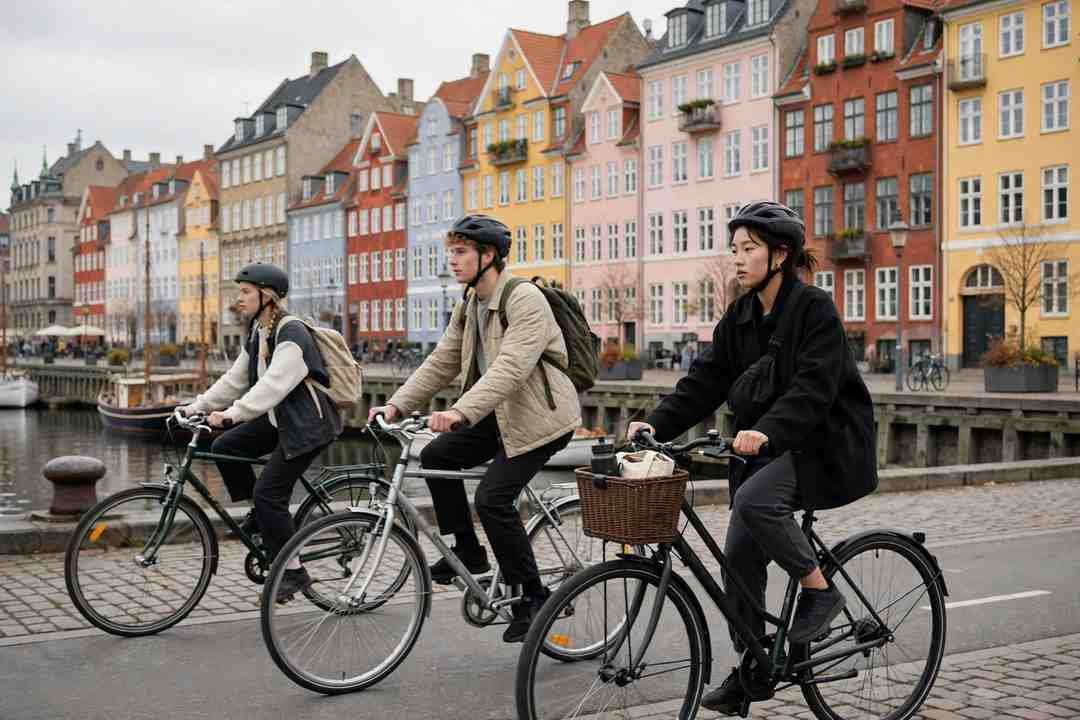
Norse Projects stripped streetwear back to its essentials and rebuilt it with Scandinavian discipline. The Copenhagen label’s genius is making technical, functional clothing that looks effortless, equally at home on a bike commute or in a gallery. Their collaborations with heritage sportswear brands are consistently among the best in the business, and their own seasonal collections nail the balance between trend-awareness and timelessness. The brand’s retail stores are destinations in themselves. If your ideal wardrobe is quiet, functional, and impeccably made, start here.
8. Our Legacy – Sweden’s Cult Favorite
Our Legacy has achieved something rare: a genuinely cult following without relying on hype mechanics. The Stockholm label’s shirting, denim, and outerwear are beloved for their off-kilter cuts, beautiful fabrics, and refusal to shout. Their diffusion lines and workshop experiments keep the brand creatively restless, while the main line delivers season after season of wearable, quietly distinctive clothing. Our Legacy proves that in streetwear, as in everything, confidence is quiet. Their camouflage prints and boxy shirts are modern classics.
9. Axel Arigato – Sweden’s Footwear Disruptor
Axel Arigato proved that a direct-to-consumer sneaker brand could compete with the giants on design alone. The Stockholm label’s chunky sneakers and clean apparel built a global following through sharp aesthetics and smarter pricing than luxury competitors. Their Japan-inspired retail stores turned shopping into an experience, and collaborations keep the brand culturally plugged in. While the sneaker market gets ever more crowded, Axel Arigato’s design consistency and brand world-building set it apart. Proof that Europe can build footwear brands with genuine heat.
10. Fred Perry – The Terrace Original
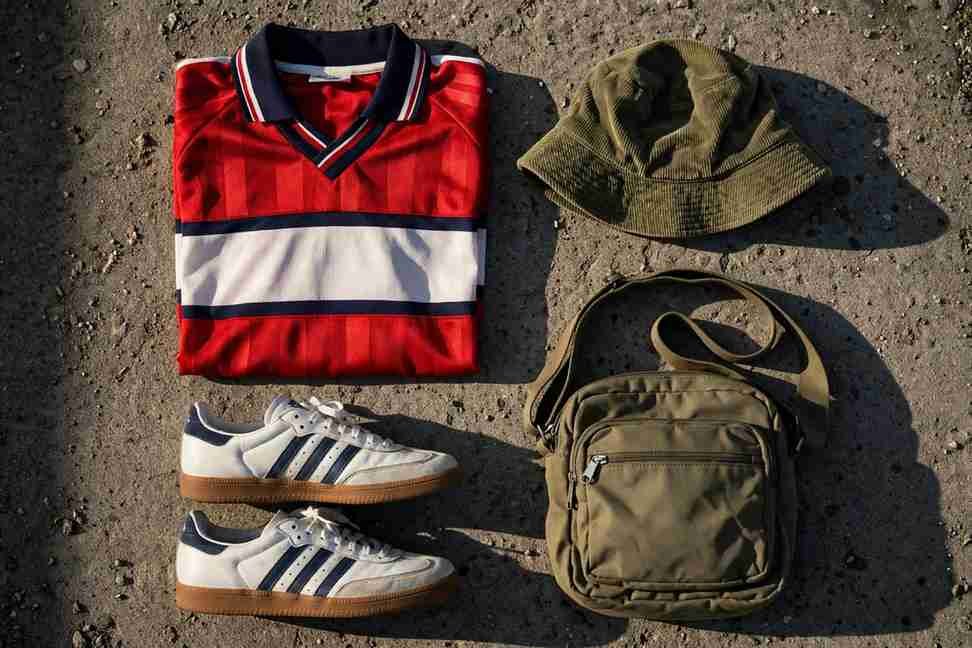
The laurel wreath has been a streetwear symbol since before the term existed, from 60s mods to 80s casuals to today’s terrace revivalists. Fred Perry’s genius is staying exactly the same while the world changes around it: the twin-tipped polo, the Harrington jacket, and the knitwear are essentially perfect designs that need no reinvention. The brand’s collaborations with designers and subcultural icons keep it relevant without diluting the core. In 2026, as football casual aesthetics cycle back into fashion, Fred Perry is once again the authentic choice. Some brands chase trends; this one outlives them.
How to Build a European Streetwear Wardrobe
European streetwear rewards a different approach than the American hype cycle:
- Invest in fabric and construction. Labels like Our Legacy and Norse Projects justify prices through materials that last.
- Mix high and low fearlessly. A Fred Perry polo with Pigalle basketball shorts is peak European styling.
- Learn the sale seasons. European retailers run deep end-of-season sales; patience pays.
- Size thoughtfully. Scandinavian and Italian cuts run slimmer than American streetwear; check measurements.
- Follow the boutiques. Shops like Wood Wood’s flagships and Paris concept stores break new labels first.
- Embrace the terrace. Football casual is Europe’s original streetwear; the references run deep.
Conclusion
European streetwear in 2026 is a continent of distinct dialects, Milanese luxury, Parisian art-school cool, London terrace attitude, and Scandinavian restraint, all fluent in the same global language. These ten brands show that the future of streetwear isn’t just about bigger logos or faster drops; it’s about heritage, craft, and cultural specificity. Dress European: buy less, choose well, and wear it with quiet confidence.





Leave a Reply