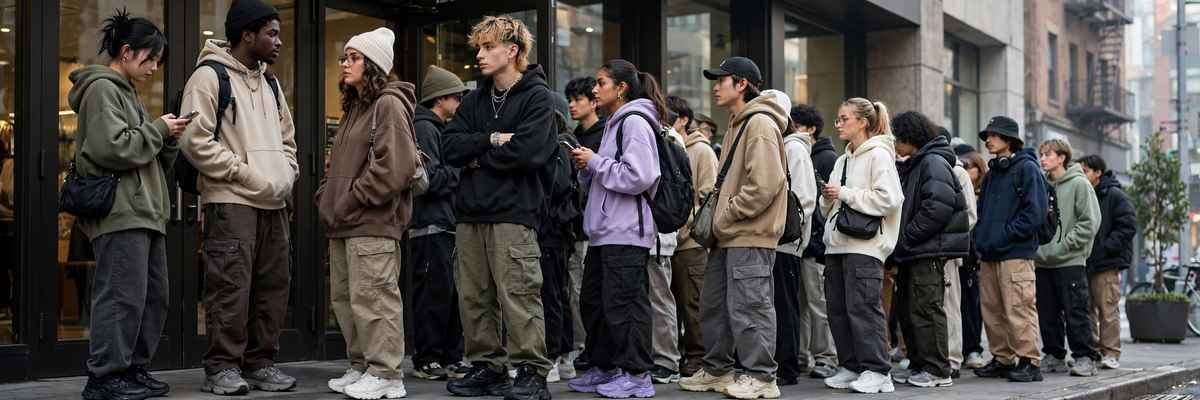
Streetwear in 2026 is no longer a subculture. It is the culture, a multi-billion-dollar global industry where skate labels sit front row at Paris Fashion Week and sneaker drops move markets. But with thousands of brands competing for attention, knowing which labels actually matter has never been harder. Hype cycles spin faster every year, and yesterday’s grail can be today’s outlet filler.
This list cuts through the noise. We’ve ranked the one hundred streetwear brands that defined 2026, weighing cultural impact, design consistency, community loyalty, and staying power rather than just resale prices. The ranking mixes legacy giants with underground risers, organized into ten groups so you can find your lane, whether that’s Japanese technical wear, UK roadman staples, or the luxury houses that swallowed streetwear whole.
Use this as a map, not gospel. The best brand for you is the one whose story you actually connect with, but if you’re building a wardrobe from zero, starting with the labels below means you’ll rarely go wrong.
1. The Legacy Giants (1–10)
These are the founding fathers, the labels that built the blueprint every other brand on this list follows. They’ve survived decades of trend cycles by staying close to their roots while evolving just enough to stay relevant.
- Supreme – Still the benchmark for drop culture, with weekly releases that sell out in seconds.
- Stüssy – The original surf-to-street crossover, riding a massive late-career renaissance.
- A Bathing Ape – BAPE’s camo and shark hoodies remain instantly recognizable worldwide.
- Off-White – Virgil Abloh’s legacy label continues to bridge streetwear and luxury.
- Undefeated – LA’s sneaker-boutique-turned-brand, still the collab king of the West Coast.
- The Hundreds – Two decades deep and still speaking directly to street culture.
- HUF – Skate-rooted essentials with one of the most loyal communities in the game.
- Diamond Supply Co. – From skate hardware to a full lifestyle label without losing its edge.
- Primitive – Pro-skater-owned and built for people who actually skate.
- RIPNDIP – Irreverent graphics and meme energy that converted a generation.
2. Modern Luxury Streetwear (11–20)
Where streetwear silhouettes meet luxury pricing and fabrication. These labels dominate fashion week, celebrity stylists’ racks, and the high end of every major retailer’s buy.
- Fear of God – Jerry Lorenzo’s muted, elongated staples defined a decade of minimalism.
- Essentials – The accessible diffusion line that made Fear of God a household name.
- Rhude – Rhuigi’s LA-meets-luxury vision, from bandana prints to tailored streetwear.
- Amiri – Rock-star distressed denim and leather at the top of the price ladder.
- Eric Emanuel – Turned mesh basketball shorts into a cultural uniform.
- Denim Tears – Tremaine Emory’s powerful storytelling through cotton wreath iconography.
- John Elliott – Elevated basics with obsessive fabric and fit development.
- Represent – British precision tailoring applied to heavyweight streetwear staples.
- Ksubi – Australian denim rebels with a cult celebrity following.
- 1017 ALYX 9SM – Matthew Williams’ industrial hardware aesthetic, rollercoaster buckles and all.
3. Japanese Masters (21–30)
Japan treats streetwear as craft. These labels obsess over fabric, construction, and detail at a level the rest of the world is still chasing.
- WTAPS – Tetsu Nishiyama’s military-inspired uniform for the style-obsessed.
- Neighborhood – Biker and Americana influences filtered through Tokyo precision.
- Undercover – Jun Takahashi’s dark, artistic, endlessly inventive universe.
- Human Made – Nigo’s vintage-Americana love letter, hearts and tigers included.
- Kapital – Boro patchwork and artisanal denim from the mountains of Okayama.
- Visvim – Handcrafted footwear and clothing at museum-piece quality.
- Mastermind Japan – Skull motifs and premium basics with a devoted global following.
- Fragment Design – Hiroshi Fujiwara’s lightning bolt, the godfather of the collab.
- Wacko Maria – Bold prints and rock-and-roll attitude from Tokyo’s back streets.
- Cav Empt – Sk8thing’s dystopian graphics meet technical sportswear.
4. UK and European Wave (31–40)
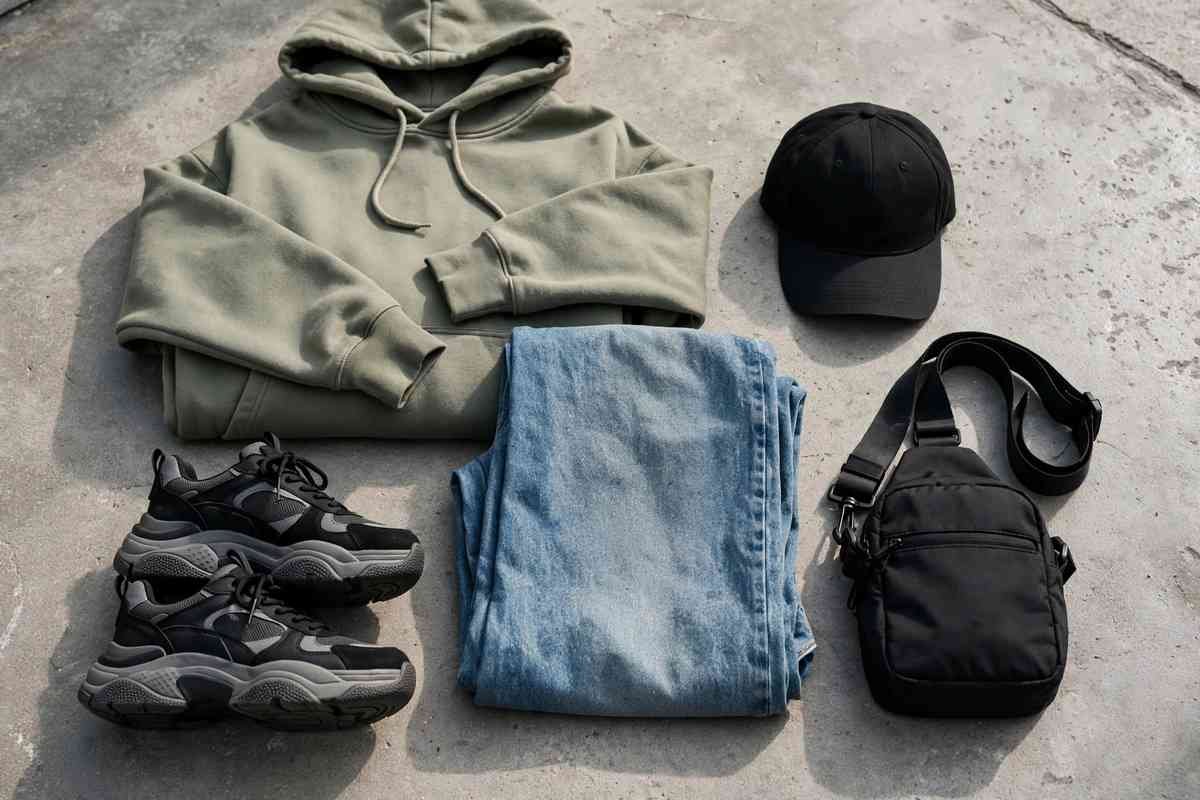
London, Amsterdam, and Milan are producing some of the most exciting streetwear on the planet right now, blending roadman culture, terrace heritage, and high-fashion polish.
- Palace – London’s skate answer to Supreme, with a sharper sense of humor.
- Corteiz – Clint’s guerrilla-marketing phenomenon; the hottest UK label of the decade.
- Trapstar – From West London market stalls to Rihanna’s tour wardrobe.
- Broken Planet – Sustainability-minded graphics with a massive young following.
- A-COLD-WALL* – Samuel Ross’s brutalist, architectural take on British workwear.
- Maharishi – Pacifist military aesthetics and premium tech fabrics since the 90s.
- Stone Island – The compass badge remains the ultimate terrace-to-runway symbol.
- C.P. Company – Massimo Osti’s laboratory of garment dyeing and goggle jackets.
- Daily Paper – Amsterdam’s African-diaspora-rooted label with global reach.
- Patta – Amsterdam institution bridging hip-hop, skate, and community activism.
5. New York New Wave (41–50)
The city’s new generation honors NYC’s streetwear heritage while pushing it somewhere smarter, softer, and more personal.
- Kith – Ronnie Fieg’s lifestyle empire, from cereal bars to global flagships.
- Aimé Leon Dore – Teddy Santis turned Queens nostalgia into fashion’s favorite mood.
- Noah – Brendon Babenzien’s grown-up, ethically minded take on classic streetwear.
- Madhappy – Optimism as a brand, with mental-health messaging baked in.
- Awake NY – Angelo Baque’s love letter to 90s New York club and street culture.
- Telfar – The Bushwick Birkin; accessible luxury that put community first.
- Rowing Blazers – Preppy staples remixed with streetwear irreverence.
- Pyer Moss – Kerby Jean-Raymond’s powerful fusion of fashion and Black storytelling.
- KidSuper – Colm Dillane’s art-school energy, from Brooklyn studio to Paris runway.
- Who Decides War – Intricate distressed denim with a downtown cult following.
6. Skate Culture Cornerstones (51–60)
Streetwear was born on a skateboard, and these brands keep that connection honest. If nobody at the company skates, it doesn’t belong here.
- Thrasher – The flame logo tee is arguably the most bootlegged garment in history.
- Santa Cruz – Screaming Hand graphics that have survived four decades.
- Fucking Awesome – Jason Dill’s chaotic, art-driven skate label.
- Polar Skate Co. – Pontus Alv’s Swedish minimalism applied to skate hardware and apparel.
- Bronze 56k – Raw NYC skate videos translated into cult clothing.
- Alltimers – Skateboarding’s class clowns, beloved for not taking any of it seriously.
- Hockey – FA’s darker, harder-edged sibling brand.
- Quartersnacks – From NYC skate blog to legitimate label.
- Dime – Montreal’s finest, mixing humor with genuinely great design.
- GX1000 – San Francisco hill-bombing energy in clothing form.
7. LA and West Coast Lifestyle (61–70)
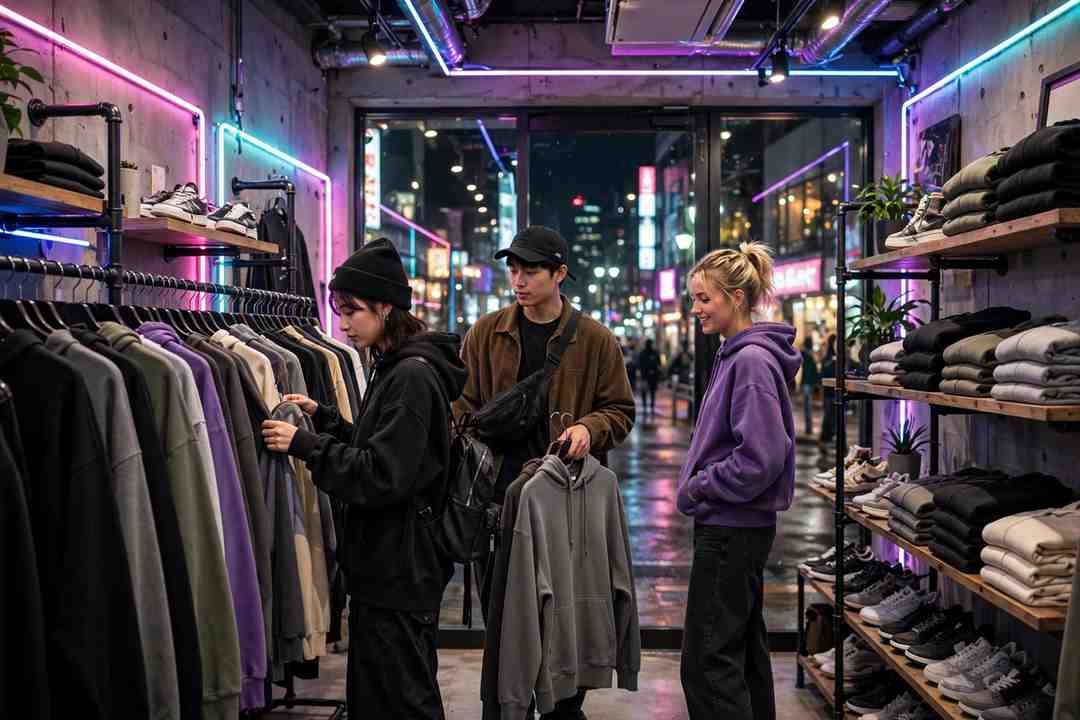
Sun-faded, art-damaged, and allergic to rules. The West Coast contingent brings a looser, more experimental energy to the list.
- Brain Dead – Punk-zine graphics and a sprawling creative collective.
- Market – Formerly Chinatown Market, still the king of the clever bootleg flip.
- Stray Rats – Miami-meets-NYC grunge with a diehard following.
- Pleasures – Alex James’ dark blend of punk, metal, and streetwear.
- Stampd – Chris Stamp’s minimal LA staples with premium execution.
- RTA – Elevated streetwear with a music-industry co-sign machine behind it.
- Advisory Board Crystals – Rem Koolhaas-adjacent weirdness that somehow works.
- Reese Cooper – Outdoorsy, craft-focused menswear with streetwear appeal.
- Cactus Plant Flea Market – Pharrell-adjacent puff-print psychedelia.
- ERL – Venice Beach surf nostalgia in luxury fabrications.
8. Workwear, Utility, and Gorpcore (71–80)
The great outdoors crashed the streetwear party and never left. These labels prove that a hiking shell can be just as coveted as a box logo.
- Carhartt WIP – Workwear heritage refined for European street style.
- Dickies – The 874 work pant is a legitimate streetwear icon.
- Gramicci – Climbing shorts and gusseted pants adopted by the style set.
- Arc’teryx – The dead bird logo became fashion’s favorite status symbol.
- Salomon – Trail runners that conquered fashion week.
- The North Face – From expeditions to street corners, the half-dome endures.
- Patagonia – Environmental credibility with genuine outdoor chops.
- Snow Peak – Japanese camping gear with a design-store aesthetic.
- And Wander – Technical apparel that looks as good in the city as on the trail.
- Columbia – Heritage outdoor brand enjoying a well-earned revival.
9. Collab Kings and Culture Drivers (81–90)
These shops and labels shape taste through collaborations, curating the sneakers and capsules that set the agenda each season.
- Concepts – Boston-born boutique with legendary sneaker collaborations.
- Bodega – The hidden-store concept that made shopping an experience.
- Extra Butter – NYC boutique with cinematic, story-driven collabs.
- A Ma Maniére – Luxury sneaker boutique elevating every collaboration it touches.
- Union Los Angeles – Chris Gibbs’ shop is a cultural institution.
- Social Status – Southern boutique chain with national collab influence.
- Sneaker Politics – Louisiana’s finest, punching far above its weight.
- Feature – Las Vegas boutique with a sharp eye for emerging labels.
- Burn Rubber – Detroit institution keeping Midwest sneaker culture alive.
- Wish ATL – Atlanta’s go-to for limited releases and local flavor.
10. Athletic Crossover Giants (91–100)
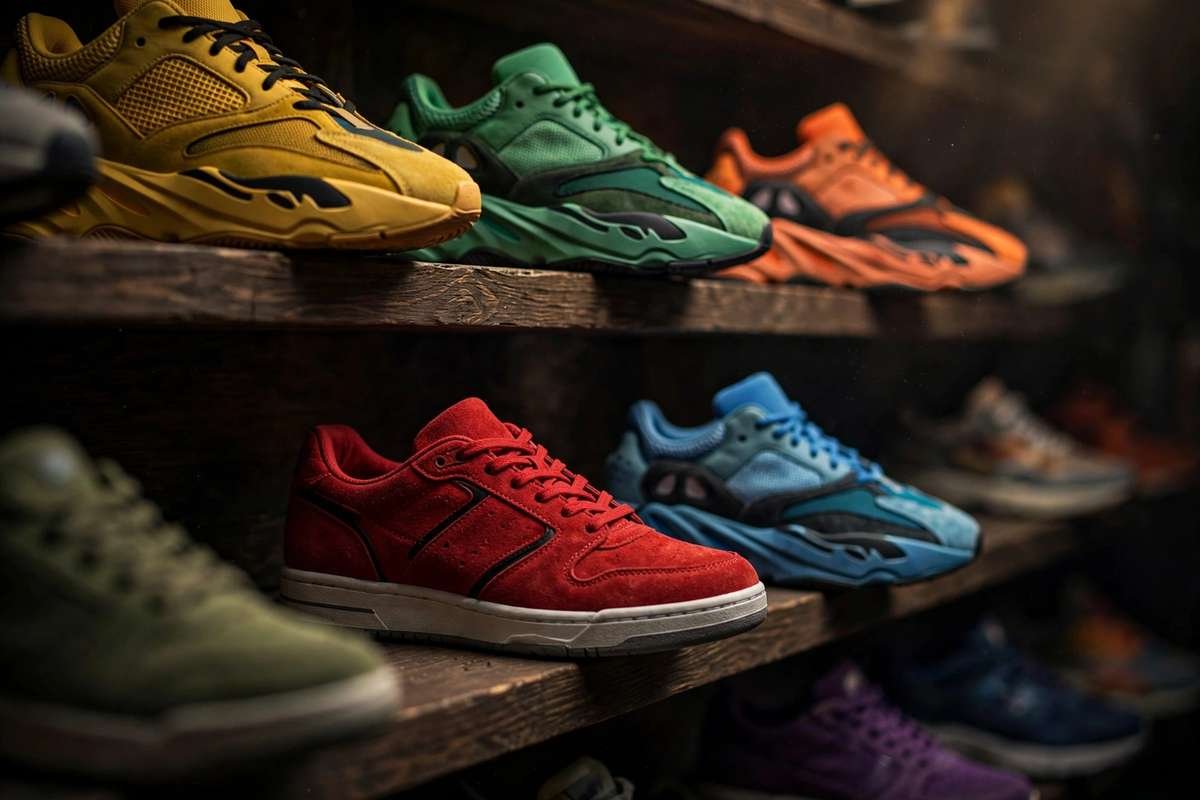
The sportswear giants were doing streetwear before it had a name. In 2026, their lifestyle divisions and retro runners are more relevant than ever.
- Nike – Still the sun around which sneaker culture orbits.
- Adidas – Samba and Gazelle mania proved the archives are the future.
- New Balance – The dad shoe became the cool shoe; 2002Rs for everyone.
- Asics – Gel-Kayano 14s turned a running shoe into a fashion staple.
- Puma – Motorsport and terrace classics with fresh collab energy.
- Reebok – Club Cs and vintage basketball silhouettes holding strong.
- Converse – The Chuck Taylor is eternal; the collabs keep it current.
- Fila – Disruptors and heritage tennis gear riding the retro wave.
- Champion – Reverse Weave sweatshirts remain the affordable gold standard.
- Umbro – Football casual heritage finding a new generation.
How to Use This List Without Going Broke
One hundred brands is a lot of temptation. Here’s a framework for actually shopping smarter:
- Start with staples, not statements. Build your base with quality basics from labels like Essentials, Champion, or Uniqlo-adjacent picks before chasing grails.
- Pick two lanes max. You can’t authentically rep skate, luxury, gorpcore, and vintage Americana at once. Choose the aesthetics that fit your actual life.
- Buy the story, not the logo. Brands with real narratives (Denim Tears, Patta, Telfar) age better in your wardrobe than pure hype plays.
- Learn the sale cycles. Even hyped labels do end-of-season sales. Sign up for newsletters and be patient.
- Verify before you buy resale. With fakes this good, use legit-check services for any high-value secondhand purchase.
- Cost per wear wins. A $200 hoodie you wear 100 times beats five $40 hoodies you never touch.
- Support your local scene. The boutiques in groups 9 and your city’s independents keep the culture alive.
Conclusion
The top 100 streetwear brands of 2026 tell one clear story: the culture has grown up without selling out its soul. Legacy giants still set the pace, Japan still sets the quality bar, London still sets the attitude, and the underground still supplies the future. Whether you pledge allegiance to one label or mix across all ten groups, the golden rule hasn’t changed since the beginning: wear what means something to you, and wear it with conviction.


Leave a Reply